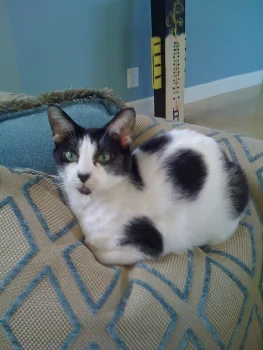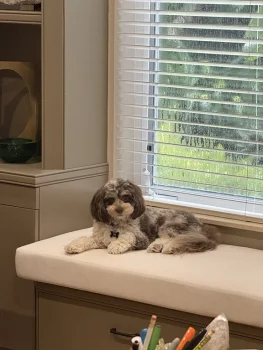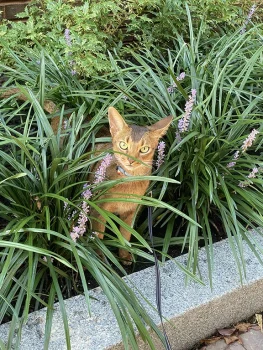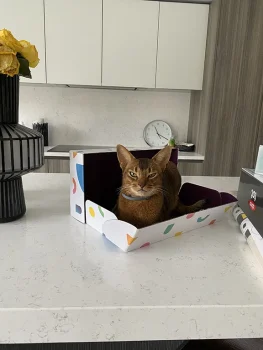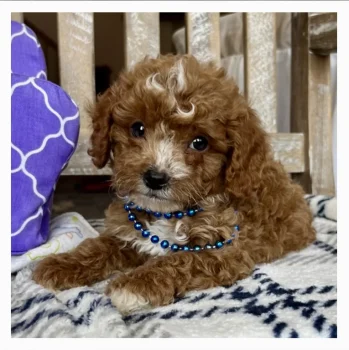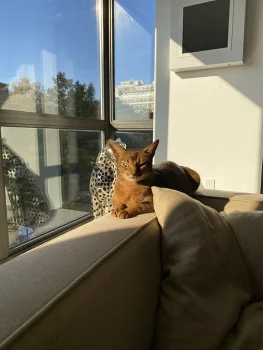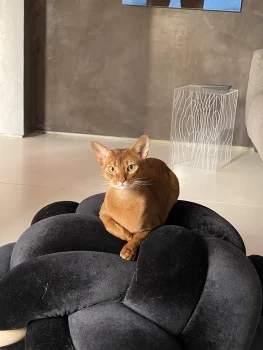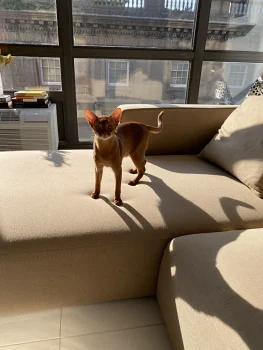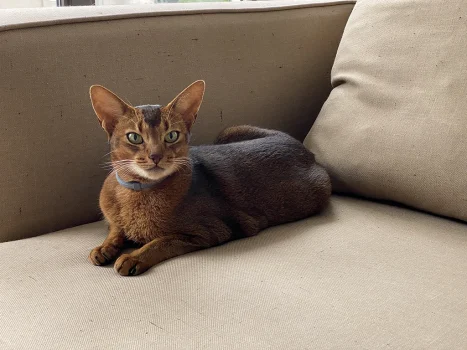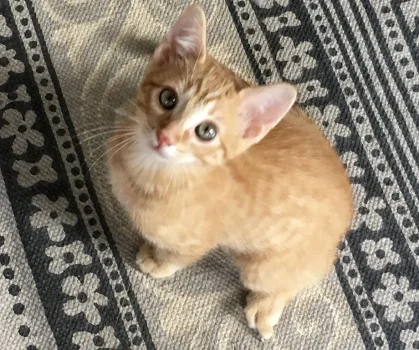
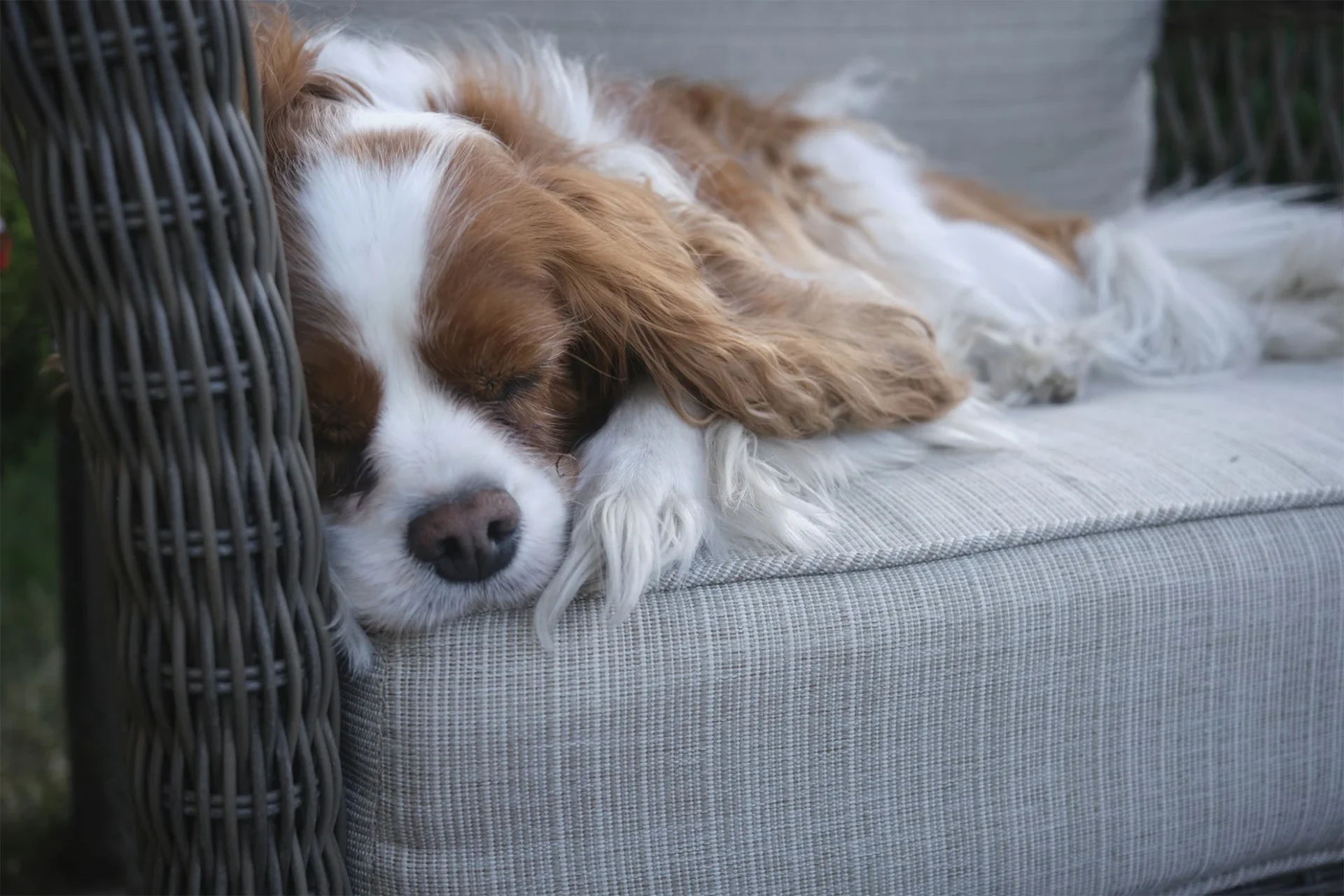
Every pet needs downtime, and a calm environment for pets is key to mental and physical health. Dogs and cats thrive when they have safe, quiet spaces to rest, reducing stress and promoting overall wellness.
Social interactions, enrichment, and environmental structure all impact a pet’s ability to relax. At Ruffurrals Only, we emphasize the importance of structured relaxation and environment design to help pets feel secure and comfortable whether their owners are home or away.
Understanding the value of naps, routines, and environmental cues allows pets to maintain balance, avoid anxiety, and enjoy life to the fullest. Pets who experience calm, restorative rest show improved behavior, emotional stability, and physical health, reinforcing the human-animal bond.
The Importance of Rest for Pets
Rest in a calm environment for pets is essential for digestion, cognitive function, and emotional stability. Dogs benefit from structured nap times that align with activity and feeding schedules, while cats naturally enjoy multiple short naps throughout the day. Disruptions in rest can contribute to irritability, hyperactivity, or anxiety. By creating consistent opportunities for rest, owners support both behavioral and physiological health in their pets. Additionally, well-rested pets are more receptive to training, socialization, and play, allowing for deeper engagement and better overall wellbeing.
For mindful feeding routines that complement rest, see Beyond the Bowl: Mindful Feeding Habits That Strengthen the Human-Pet Bond.
Designing a Calm Environment for Pets
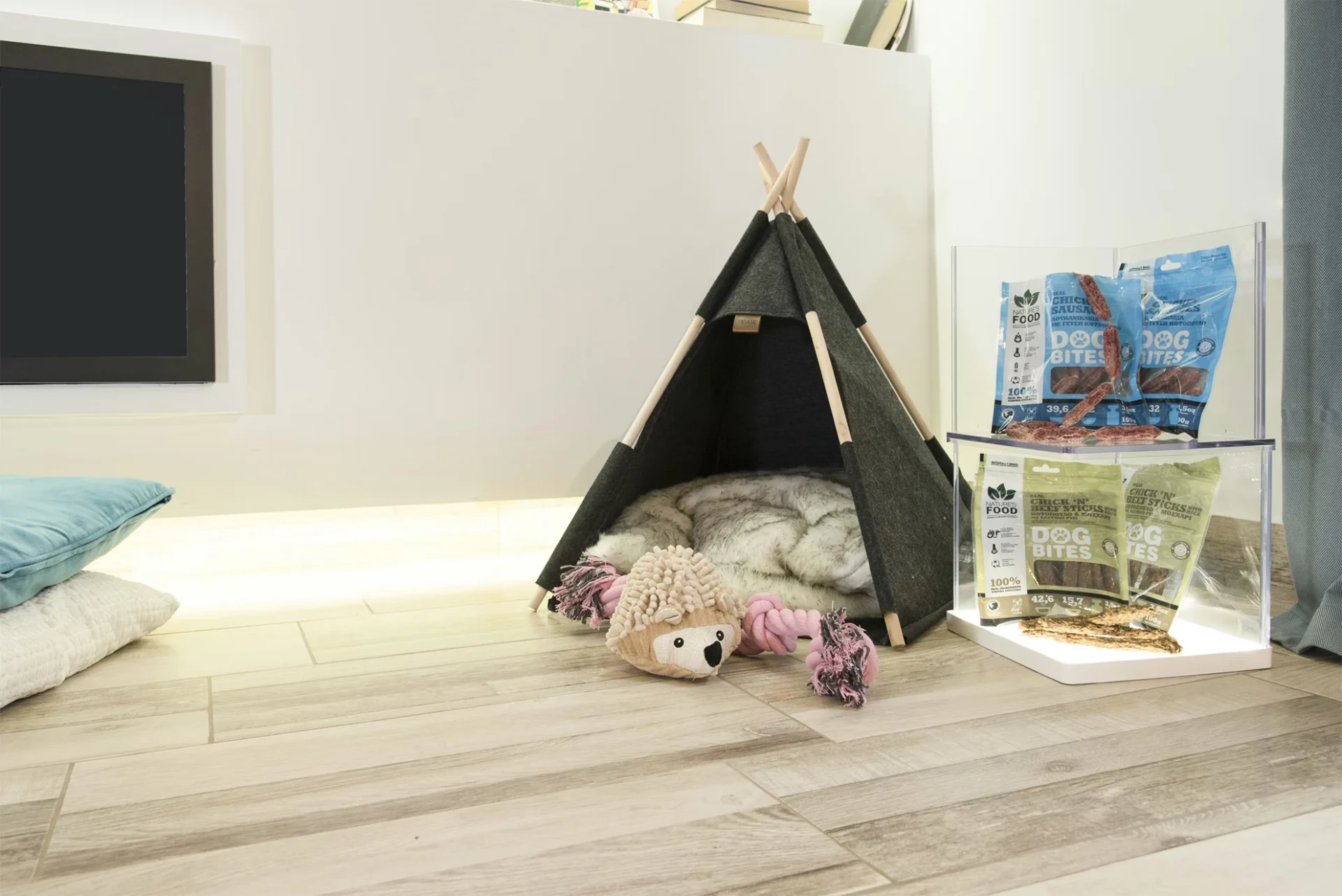
Environmental factors significantly influence a pet’s ability to relax. Provide quiet areas away from loud noises or household traffic. Soft bedding, cozy blankets, and familiar toys enhance comfort. Consider natural lighting, soft music, or white noise to create a soothing atmosphere. Cats particularly appreciate elevated resting spaces or sunny windows, while dogs benefit from a designated corner or crate that feels secure. Adding calming pheromone diffusers or soft scents can also reduce anxiety. A predictable, peaceful environment allows pets to feel safe, encouraging restorative naps and emotional stability. For more ideas, see our guide to stress-free homes for pets.
Reducing Anxiety Through Routine
Consistent daily routines reduce stress and encourage relaxation. Regular feeding, walks, and play create predictability, signaling safety to pets. Avoid abrupt changes in schedule whenever possible, and use calm verbal cues to guide pets through transitions. Predictability helps pets understand expectations, reducing anxiety-related behaviors such as pacing, barking, or restlessness. Owners who maintain structured routines often observe improved mood, calmer behavior, and better engagement during play or training sessions.
Mindful Interaction and Calm Play
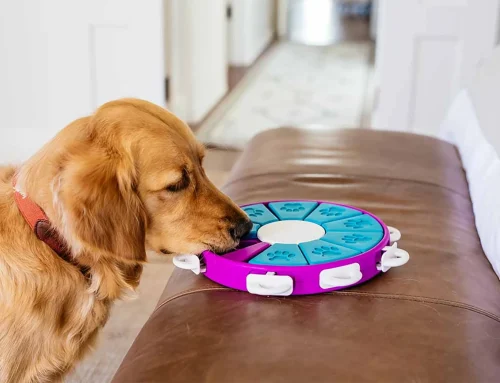
Not all activity needs to be high-energy. Gentle play, training sessions, or slow interactive games stimulate the mind without causing overexcitement. For cats, puzzle feeders or wand toys engage natural hunting instincts while remaining low-stress. For dogs, scent-based games, short obedience sessions, or massage can promote relaxation and cognitive engagement simultaneously. Mindful interaction ensures pets expend energy in constructive ways, reinforcing calm behavior and reducing stress.
Learn more about emotional wellbeing and bonding in The Science of Snuggles: How Pets Boost Your Health and Happiness.
Health Benefits of Calmness
A calm environment for pets leads to healthy pets. Reduced stress lowers blood pressure, improves digestion, enhances sleep quality, and strengthens the immune system. Long-term exposure to a stressful environment can exacerbate behavioral issues and increase susceptibility to illness. Providing opportunities for rest and mindfulness supports longevity and overall quality of life. Calm pets are also more receptive to training, socialization, and enrichment, creating a positive feedback loop that promotes wellbeing for both pets and their human families.
Encouraging Naps in Multi-Pet Homes
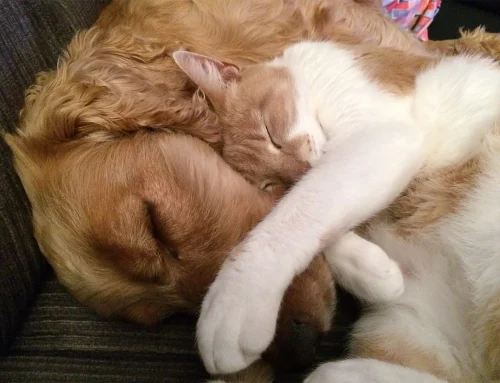
For households with multiple pets, ensure each animal has access to its own restful space. Monitor interactions to prevent stress or competition. Rotate access to favorite spots if necessary, and maintain separate bedding and feeding areas. Ensuring pets have autonomy in choosing where and when to rest fosters a sense of security and emotional balance. In shared environments, providing quiet retreats allows pets to decompress, minimizing conflict and promoting peaceful coexistence.
Integrating Calm Practices Throughout the Day
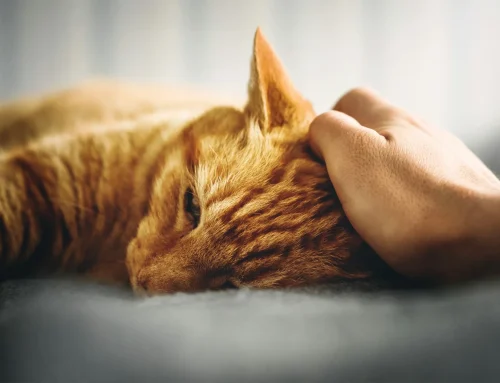
Mindfulness for pets can extend beyond naps. Gentle massage, quiet bonding time, and low-stress training reinforce calmness. Owners should observe body language to identify tension or anxiety, adjusting activities accordingly. Regular quiet periods, paired with environmental cues such as soft music or low lighting, help pets associate certain spaces with relaxation and build a calm environment for pets all day long. Over time, pets learn to self-regulate and enjoy restorative breaks independently, which supports long-term behavioral and emotional health. The ASPCA’s pet care resources are a helpful, trusted guide for more tips.
The Takeaway
Creating a calm environment for pets supports pets’ mental, emotional, and physical health. Thoughtful attention to space, routines, and interactions allows pets to experience restorative rest and maintain wellbeing. At Ruffurrals Only, we prioritize calmness and enrichment, helping pets thrive whether at home with their owners or in our trusted care through 24-hour in-home pet sitting across Palm Beach County. See how our in-home pet sitting works, or request access if you’re planning a trip.
Zen and the art of the afternoon nap is more than relaxation; it is a pathway to a happier, healthier life for every dog and cat. Calm pets are confident, engaged, and emotionally balanced, enriching life for both themselves and the humans they love.