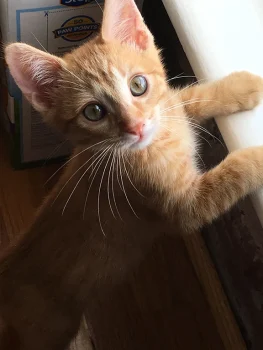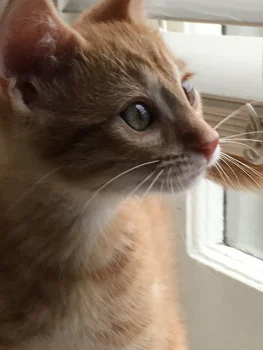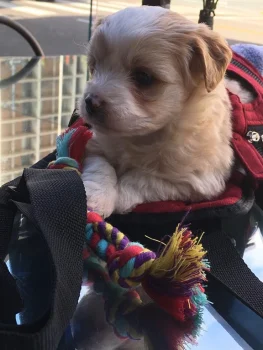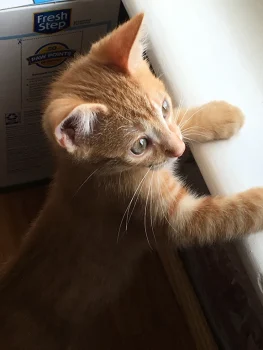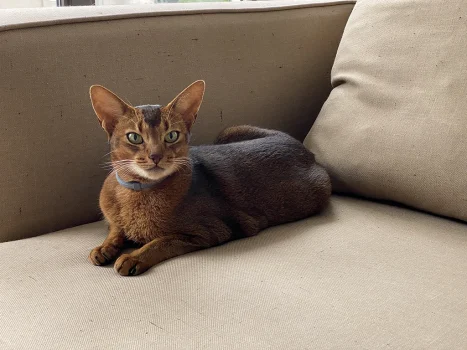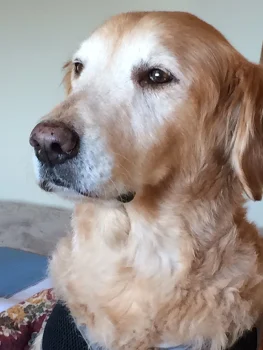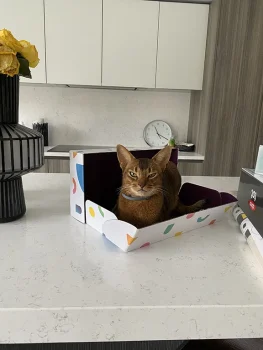

Pet grief is real. Loss is a profound experience not just for humans, but for our pets as well. Dogs and cats form deep attachments to their human and animal companions, and the death of a family member, another pet, or even a change in household dynamics can trigger grief.
Recognizing and responding to pet grief is essential for maintaining emotional health, preventing behavioral issues, and supporting recovery. At Ruffurrals Only, we provide guidance to ensure pets receive compassionate, attentive care during difficult times, whether their owners are home or away.
Pets, like humans, process grief in unique ways and at their own pace. By understanding signs, implementing supportive strategies, and monitoring health, owners can help pets navigate loss with care and empathy.
Understanding Pet Grief: Common Signs
Pets may not express grief in the same way humans do, but their emotional response is genuine. Common signs include reduced appetite, withdrawal, lethargy, increased vocalization, restlessness, or clinginess. Some pets display attention-seeking behaviors, changes in sleep patterns, or even regression in house training. Grieving pets need patience, observation, and gentle reassurance. Owners must provide consistent routines, calm environments, and positive interactions to help pets regain emotional stability. Recognizing these behaviors early allows for timely intervention, minimizing prolonged stress or anxiety.
Learn more about supporting emotional health in pets in The Science of Snuggles: How Pets Boost Your Health and Happiness.

Supporting Your Pet Through Loss
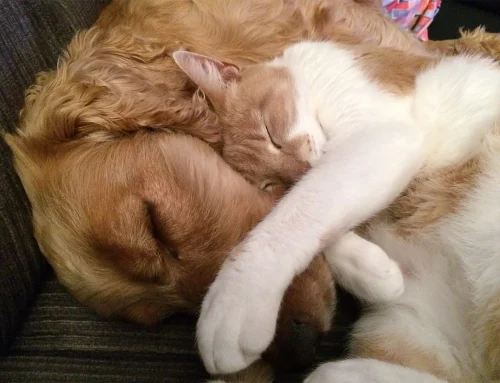
Supporting a grieving pet involves maintaining routine, providing comfort, and encouraging safe social interaction. Pets thrive on predictability, so keeping feeding, walks, and play consistent can reduce anxiety. Offer gentle affection, quiet companionship, and structured activity to help pets process emotions. Avoid scolding or punishing behaviors that arise from grief; these are natural responses to stress and mourning. Owners can also consider creating memorial rituals, like lighting a candle or holding a quiet moment of reflection, to include pets in the healing process and reinforce security.
Environmental Adjustments
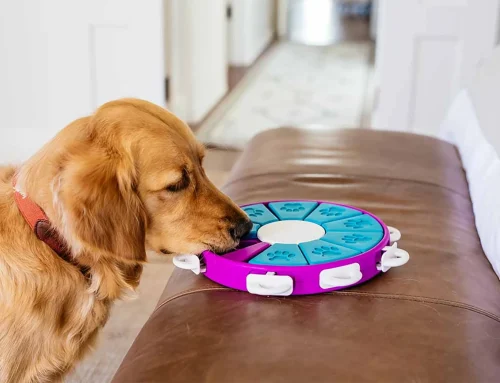
A calm, comforting environment is crucial. Provide cozy resting areas, familiar toys, and soothing scents or sounds. For dogs, extra walks or interactive play can release tension, while cats benefit from quiet observation spaces and puzzle feeders. Gradually reintroduce socialization if other pets are involved, allowing time for adjustment. Environmental enrichment can reduce boredom and support emotional processing during grief. Maintaining consistent schedules and minimizing sudden changes helps grieving pets feel safe and reassured. Our tips on stress-free homes for pets can help.
Nutrition and Physical Health
Grieving pets may eat less or overeat, depending on their emotional state. Monitor weight and offer balanced, appealing meals. Hydration is essential. For cats, offering small, frequent meals mimics natural hunting patterns and encourages intake. For dogs, pairing gentle exercise with meals promotes healthy digestion and mental engagement. In some cases, consulting a veterinarian about appetite changes or supplemental nutrition is recommended. Ensuring pets maintain physical health supports their emotional recovery.
For mindful feeding strategies that support emotional balance, see Beyond the Bowl: Mindful Feeding Habits That Strengthen the Human-Pet Bond.
Recognizing When Professional Help is Needed
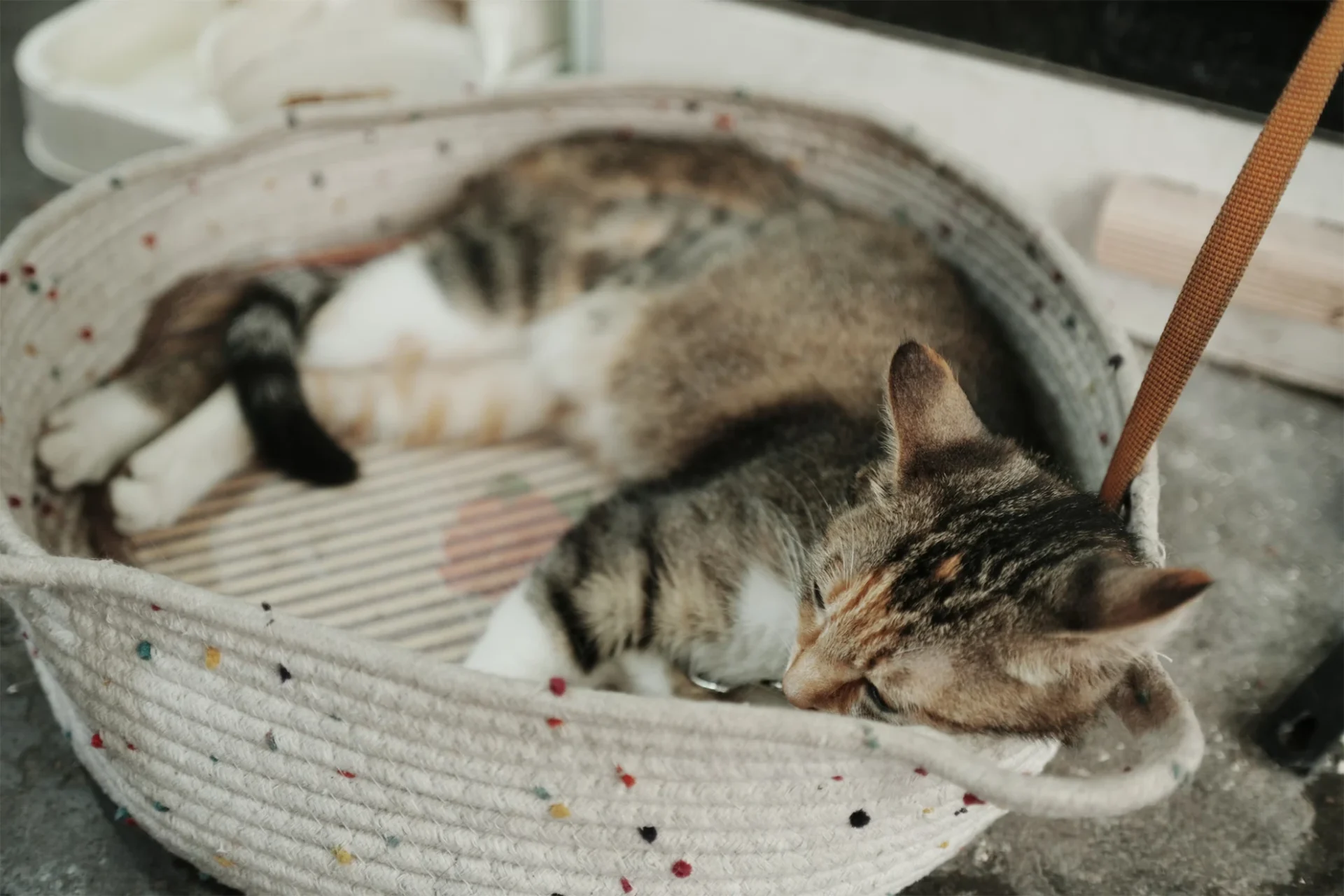
Some pets may experience prolonged grief or behavioral changes that require professional intervention. Veterinarians or certified animal behaviorists can assess for anxiety, depression, or medical issues complicating grief. Early support ensures pets return to their usual temperament more quickly, reduces the risk of long-term emotional distress, and provides owners with guidance for compassionate care. Behavioral therapy, environmental adjustments, or controlled socialization can all play a role in recovery. The ASPCA’s pet care resources are also a helpful, trusted guide.
Emotional Support for Owners
Supporting a grieving pet also requires compassion for yourself. Owners should allow themselves to process loss while maintaining structure and care for their pet. Sharing routines, playtime, and affection strengthens bonds and helps both humans and pets recover together. Participating in support groups or consulting a professional for grief management can also benefit owners navigating pet loss, creating a more stable environment for pets.
Takeaway
Pets feel loss deeply and may require patience, observation, and gentle care to navigate grief. Maintaining routine, providing comfort, monitoring physical health, and seeking professional guidance when necessary ensures grieving pets regain stability and emotional wellbeing. At Ruffurrals Only, we honor both pets and owners during times of loss, offering tailored 24-hour in-home pet sitting across Palm Beach County so grieving pets can stay in familiar surroundings. See how our in-home pet sitting works, or request access. We help them heal while preserving the loving bond that defines pet companionship. Compassion, structure, and attention are key to helping pets cope with grief and return to a balanced, happy state.