Stress-free homes are essential for the emotional wellbeing of both dogs and cats. Pets are highly sensitive to the sights, sounds, and energy in their surroundings, and a stressful environment can lead to anxiety, behavioral issues, and reduced overall health.
By understanding the factors that influence stress and implementing strategies to create a supportive, calm home, pet parents can help their dogs and cats thrive emotionally and physically. Stress-free homes benefit not only pets but also humans, creating a harmonious household where everyone feels safe and comfortable.
Understanding How Pets Experience Stress
Dogs and cats perceive stress differently than humans. Dogs often show stress through panting, pacing, barking, destructive behavior, or withdrawal. Cats may overgroom, hide, hiss, or demonstrate changes in litter box habits. Stress triggers can include loud noises, inconsistent routines, unfamiliar visitors, conflict with other pets, or sudden changes in the environment. Recognizing these signals is the first step in creating stress-free homes. Stress affects both behavior and health, potentially weakening the immune system and exacerbating chronic conditions.
The Role of Routine in Reducing Anxiety
In stress-free homes, routine provides predictability and security. Regular feeding times, play sessions, walks, and quiet periods help pets anticipate what comes next, reducing uncertainty and stress. Cats benefit from structured feeding schedules and consistent playtimes, while dogs thrive on predictable walks, exercise, and social interaction. Even small daily rituals, such as greeting pets consistently or offering a short calm training session, can reinforce a sense of safety and emotional stability.
Creating Safe Spaces in Stress-Free Homes
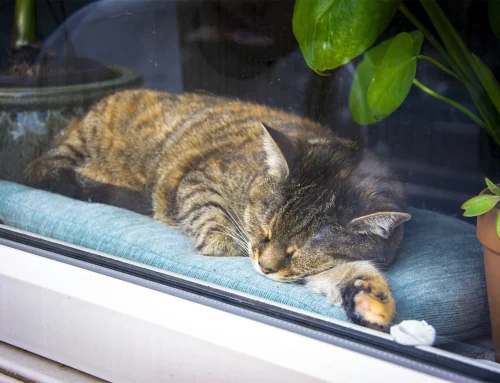
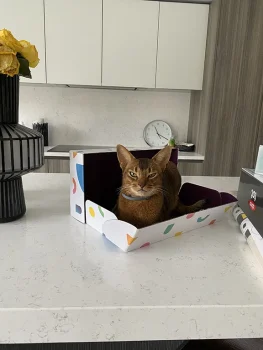
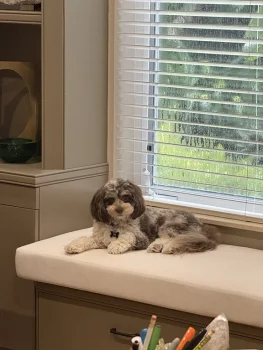
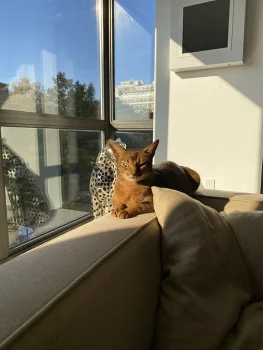
Safe spaces allow pets to retreat when they feel overwhelmed. For dogs, this may include a comfortable crate, bed, or quiet corner. For cats, high perches, cat trees, or enclosed spaces offer security. Providing these areas signals to pets that they have control over their environment, which reduces anxiety. Decorating these spaces with familiar toys, bedding, and calming scents can further enhance comfort. A safe space should be respected by everyone in the household to ensure its effectiveness.
Environmental Adjustments for Calm
The physical environment is the backbone of stress-free homes. Reducing loud noises, clutter, and abrupt changes helps create a more peaceful home. Soft lighting, natural light, and gentle background music can contribute to a calm atmosphere. Scent-based calming solutions, such as pheromone diffusers or natural aromatherapy (pet-safe options), support relaxation. For multi-pet households, ensuring that each animal has personal territory reduces conflict and competition, lowering stress.
Mental and Physical Enrichment
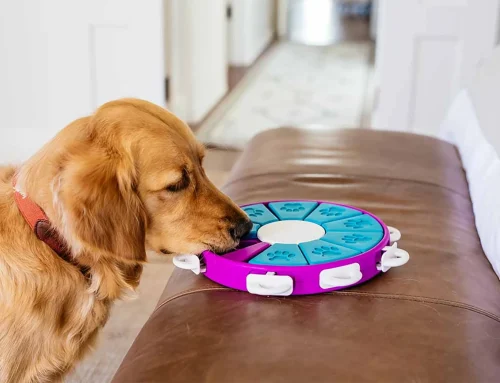
Engaging pets mentally and physically prevents boredom, a major contributor to anxiety. Puzzle feeders, scent games, and interactive toys challenge dogs and cats mentally while providing a constructive outlet for energy. Regular exercise, play, and outdoor exploration allow dogs to release pent-up energy, while indoor climbing, scratching posts, and interactive play keep cats stimulated. Enrichment should be consistent and tailored to the individual pet’s preferences and breed characteristics to maximize effectiveness. For ideas, see our tips on indoor cat enrichment and mental stimulation for dogs.
Positive Human Interaction
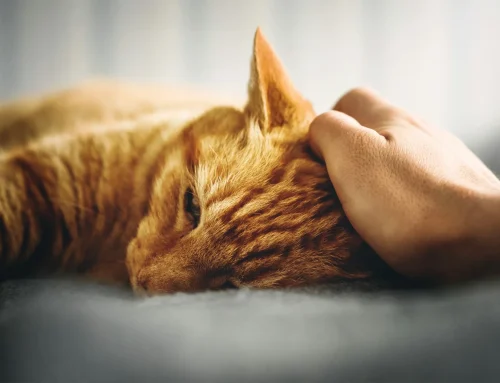
The bond between pets and their humans is central to emotional wellbeing. Gentle handling, calm communication, and consistent positive interactions reduce anxiety. Training using positive reinforcement provides mental stimulation and strengthens trust. Both dogs and cats respond to affection, praise, and attention, but it should be offered on terms that the pet is comfortable with. Understanding body language cues ensures that interactions are supportive rather than stressful. Our guides to cat body language and positive reinforcement training can help.
Stress-Reducing Techniques for Pets
Several practical techniques help reduce stress in the home:
- Short, frequent breaks for exercise or play
- Using familiar and comforting toys or bedding
- Calming music or white noise to mask stressful sounds
- Maintaining consistent routines during visitors or household changes
- Gradual desensitization to triggers that cause anxiety
- Offering choices and control, such as letting pets decide when to play or rest
Nutrition and Stress Management
A balanced diet supports both physical and emotional health. High-quality nutrition, appropriate portions, and regular feeding times contribute to overall stability. Certain dietary supplements, under veterinary guidance, may help manage stress and anxiety in pets. Hydration is also important, particularly for cats, whose stress can be exacerbated by urinary or kidney issues.
Monitoring and Professional Support
Even with a calm home environment, some pets may require additional support. Chronic anxiety, phobias, or behavioral challenges should be addressed with professional guidance. Veterinarians and certified animal behaviorists can provide individualized plans that combine environmental adjustments, enrichment, and, if necessary, medical interventions. Early identification and proactive management prevent stress from becoming a long-term problem. The ASPCA’s pet care resources are also a helpful, trusted guide.
Keeping Home Calm While You’re Away
Travel and boarding are among the biggest sources of stress for pets: a new place, new sounds and a broken routine all at once. Staying home keeps their safe spaces, smells and schedules exactly the same. That’s why Ruffurrals Only offers 24-hour in-home pet sitting across Palm Beach County, keeping your dog or cat’s routine calm and familiar while you’re gone. See how our in-home pet sitting works, or request access if you’re planning a trip.
The Takeaway
Creating stress-free homes is an ongoing process that requires attention to routine, environment, enrichment, nutrition, and emotional support. Dogs and cats both thrive in homes that provide predictability, safe spaces, mental and physical stimulation, and consistent positive human interaction. Reducing stress improves behavior, strengthens bonds, and supports overall health. By observing your pets’ responses and implementing supportive strategies, you create a home where pets feel secure, calm, and happy, ensuring lifelong wellbeing for the entire household.