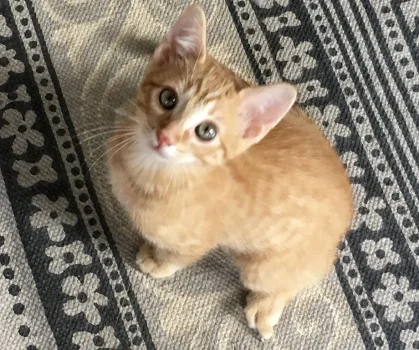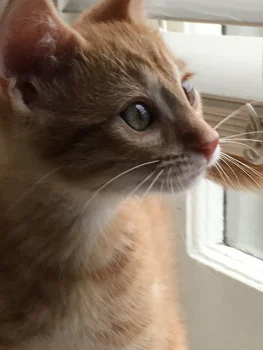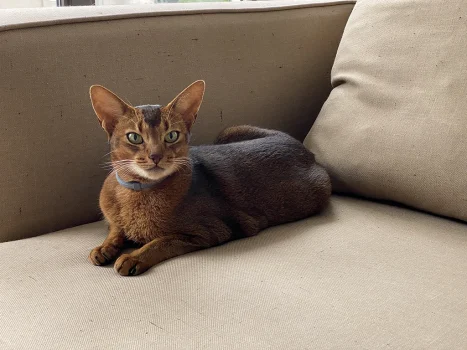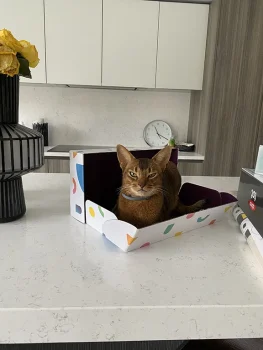

Cat body language is the main way your cat talks to you. Unlike dogs, who often bark or whine, cats share how they feel through posture, tail movements, ears, eyes and small facial expressions. Learning to read these signals helps you respond the right way, lower stress and build a stronger bond.
When you understand cat body language, you can spot trouble before it starts. Many common problems, such as swatting, hiding or excessive meowing, can be prevented or eased simply by noticing your cat’s early cues.
Tail Signals: What Your Cat’s Tail Is Saying
The tail is one of the clearest parts of cat body language. Here is what the most common tail positions usually mean:
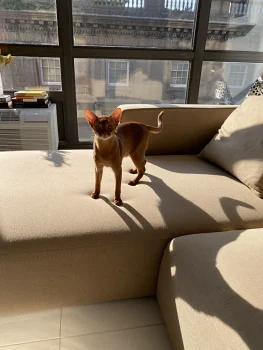
- Held high and straight: confident, happy and glad to see you
- Tucked low or between the legs: fearful or unsure
- Fast flicking or thrashing: irritated or overstimulated
- Slow, gentle swish: relaxed, curious or focused on something
- Puffed up: startled or feeling threatened
If your cat’s tail starts flicking while you pet them, it is usually a polite request to stop. Pausing right away builds trust.
Ear Position and Emotional Cues
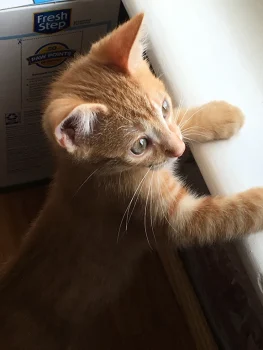
Ears show where your cat’s attention is and how they feel about it. Ears facing forward usually mean interest or curiosity. Ears turned sideways or flattened against the head signal fear, stress or a cat that is ready to defend itself. Ears that swivel around mean your cat is listening carefully to the sounds around them. Reading the ears together with the tail gives you a much more complete picture.
Eye Contact, Slow Blinks and Pupils
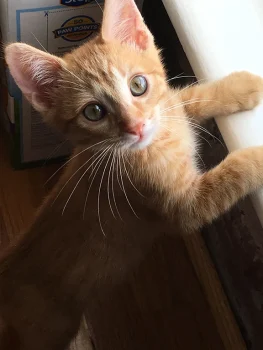
A cat’s eyes say a lot. A slow blink is a sign of affection and trust, often called a “cat kiss.” Try slow blinking back; many cats will return it. Wide, dilated pupils can mean excitement, fear or play arousal, depending on the situation. A hard, direct stare paired with a stiff body is often a warning. Softening your own gaze helps a nervous cat feel safe.
Posture and Body Tension
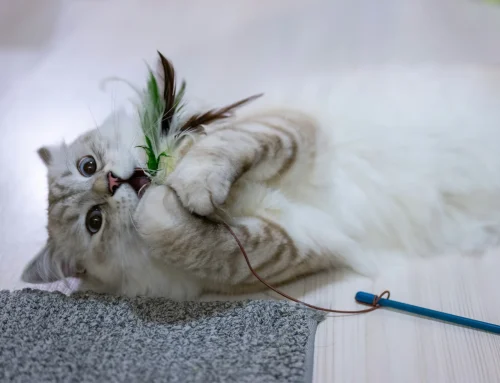
Overall posture is the big-picture part of cat body language. A relaxed cat stretches out, lies on their side or curls up loosely. A cat that rolls over and shows their belly is showing trust, though it is not always an invitation for a belly rub. A stiff, crouched or low body signals fear or discomfort, and an arched back with raised fur means your cat feels threatened. When you notice tension, give your cat space and a quiet place to retreat.
Vocal Sounds and Their Context
Cats rely mostly on body language, but sounds add meaning. Meows, purrs, chirps, trills and hisses all carry information, and context matters. A purr usually means contentment, but some cats also purr when they are anxious or in pain. Always read the sound together with the body. A purring cat that is hiding or hunched may need a check-up rather than a cuddle.
Reading Mixed Signals
Cats often send several signals at once. A cat with a flicking tail but relaxed ears may be mildly annoyed but otherwise calm. Look at the whole cat: tail, ears, eyes, posture and voice. The more signals you read together, the more accurate your understanding will be, and the fewer misunderstandings you’ll have.
Cat Body Language During Play
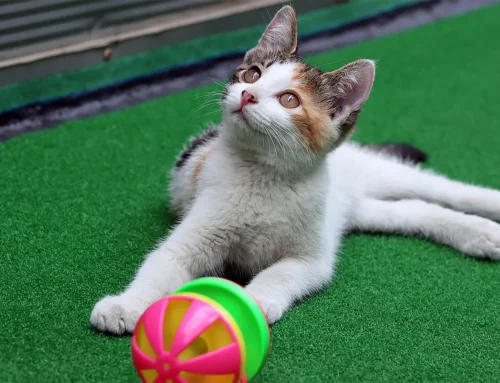
Playtime is a great chance to practice reading your cat. Stalking, crouching, wiggling hips, pouncing and tail twitches all show your cat’s hunting instincts at work. Learning these cues helps you keep play fun and safe and avoid overstimulation. For more ideas, see our guides to cat play behavior and indoor cat enrichment.
Spotting Stress Early
Stress often shows up in quiet ways: hiding, over-grooming, dilated pupils, flattened ears, a low tail or a sudden change in litter box habits. When you notice these signs, offer safe hiding spots, a calm space and a predictable routine. Our tips on creating a stress-free home for pets can help. If stress signs last more than a few days, talk to your veterinarian. The ASPCA’s cat care resources are also a helpful, trusted guide.
Keeping Your Cat Calm While You’re Away
Changes in routine, like a trip, are a common source of feline stress. Most cats are happiest in their own territory, with familiar smells, hiding spots and schedules. That’s why Ruffurrals Only offers 24-hour in-home pet sitting across Palm Beach County, with caregivers who pay close attention to each cat’s body language and comfort. See how our in-home pet sitting works, or request access if you’re planning a trip.
Encouraging Positive Communication
The best way to build trust is to respond to what your cat tells you. Respect their boundaries, offer affection on their terms and reward them gently when they come to you. Over time, your cat learns that their signals are heard, which leads to a calmer, more confident and more affectionate companion.
The Takeaway
Understanding cat body language is the key to clear communication and a happy cat. By watching the tail, ears, eyes, posture and voice together, you can respond the right way, prevent conflict and support your cat’s emotional health. A little daily attention to these cues builds trust and a deeper bond with your feline companion.