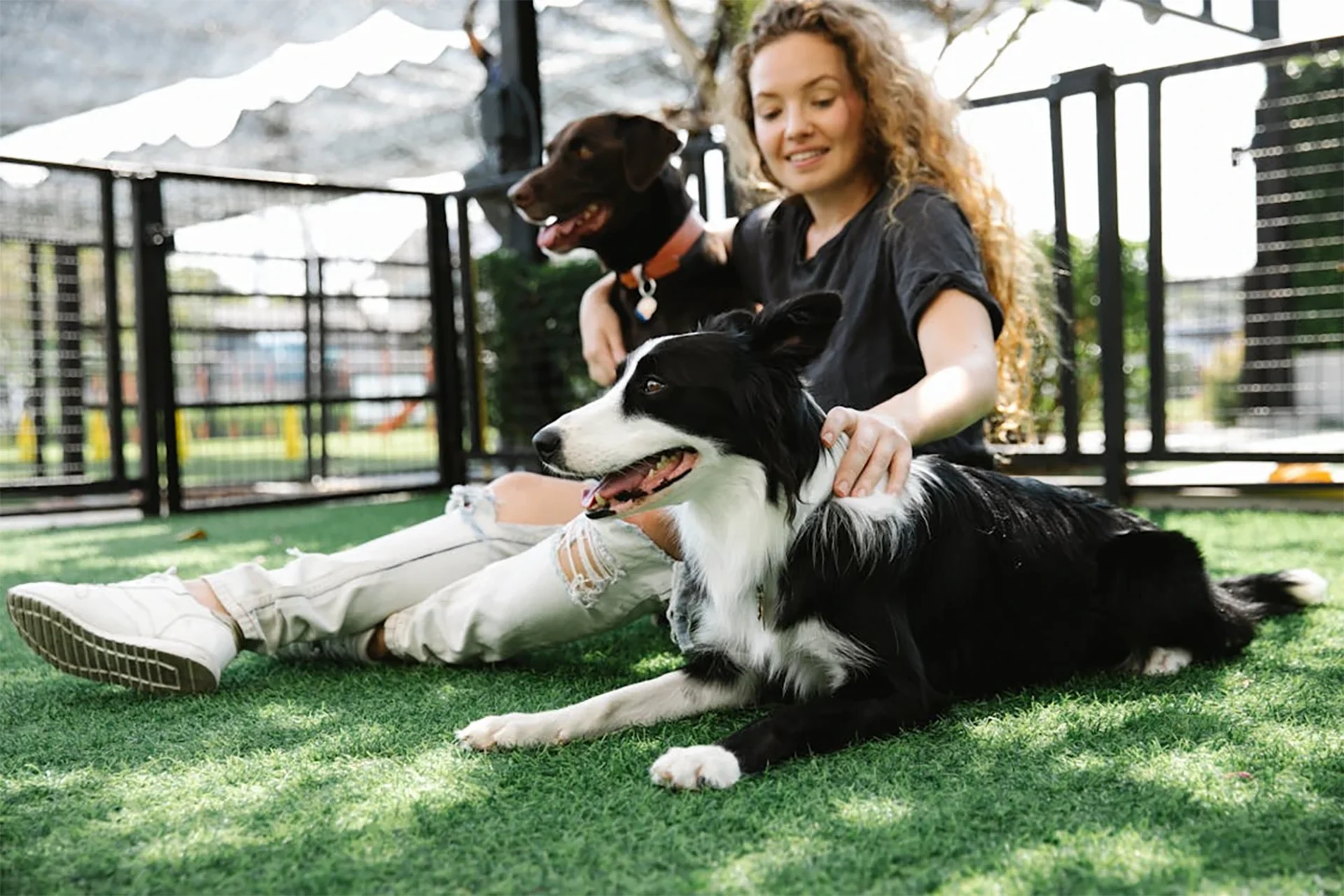


Dog Socialization: How to Raise a Confident, Happy Dog

Dog socialization is one of the most important parts of a dog’s development, influencing behavior, confidence, and long-term wellbeing. Proper socialization involves exposing a dog to a variety of people, animals, environments, sounds, and experiences in a positive and controlled manner. Dogs who are well-socialized as puppies are generally more confident, adaptable, and less prone to fear-based or aggressive behaviors. Conversely, dogs who experience > CONTINUING READING


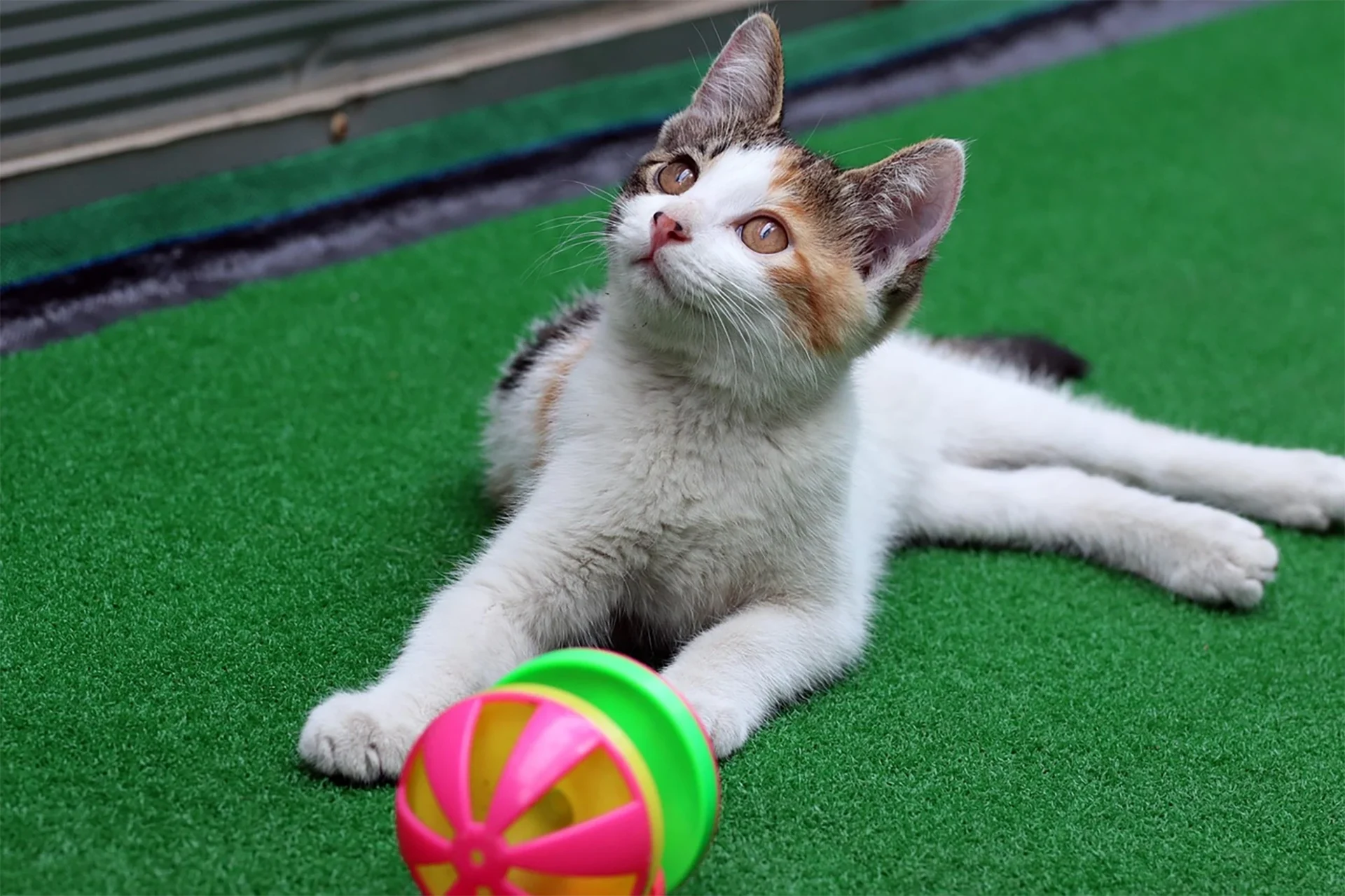
Cat Play Behavior: Why Playtime Matters for a Happy Cat

Cat play behavior is one of the most important parts of a cat’s life, serving as both a physical and mental outlet. While many people assume cats play simply for fun, in reality, play is a crucial expression of natural hunting instincts, problem-solving skills, and emotional wellbeing. Cats are predatory by nature, and through play, they mimic behaviors such as stalking, pouncing, chasing, and > CONTINUING READING

Separation Anxiety in Dogs: 5 Proven Fixes for a Happy Dog

Separation anxiety in dogs is one of the most common behavior challenges pet parents face, and it can cause real stress for both dogs and their people. A dog with separation anxiety may bark or howl for hours, chew doors and furniture, pace, have accidents in the house or, in some cases, hurt themselves trying to escape. These behaviors usually start when a dog > CONTINUING READING

Indoor Cat Enrichment: Easy Ways to Keep Your Cat Happy

Indoor cat enrichment is the key to a healthy, happy house cat, because indoor cats face unique challenges when it comes to mental and physical wellbeing. While they are safe from outdoor dangers, they often lack the variety and stimulation that outdoor exploration provides. Without proper enrichment, indoor cats may become bored, overweight, or exhibit behavioral issues such as aggression, over-grooming, or destructive scratching. > CONTINUING READING

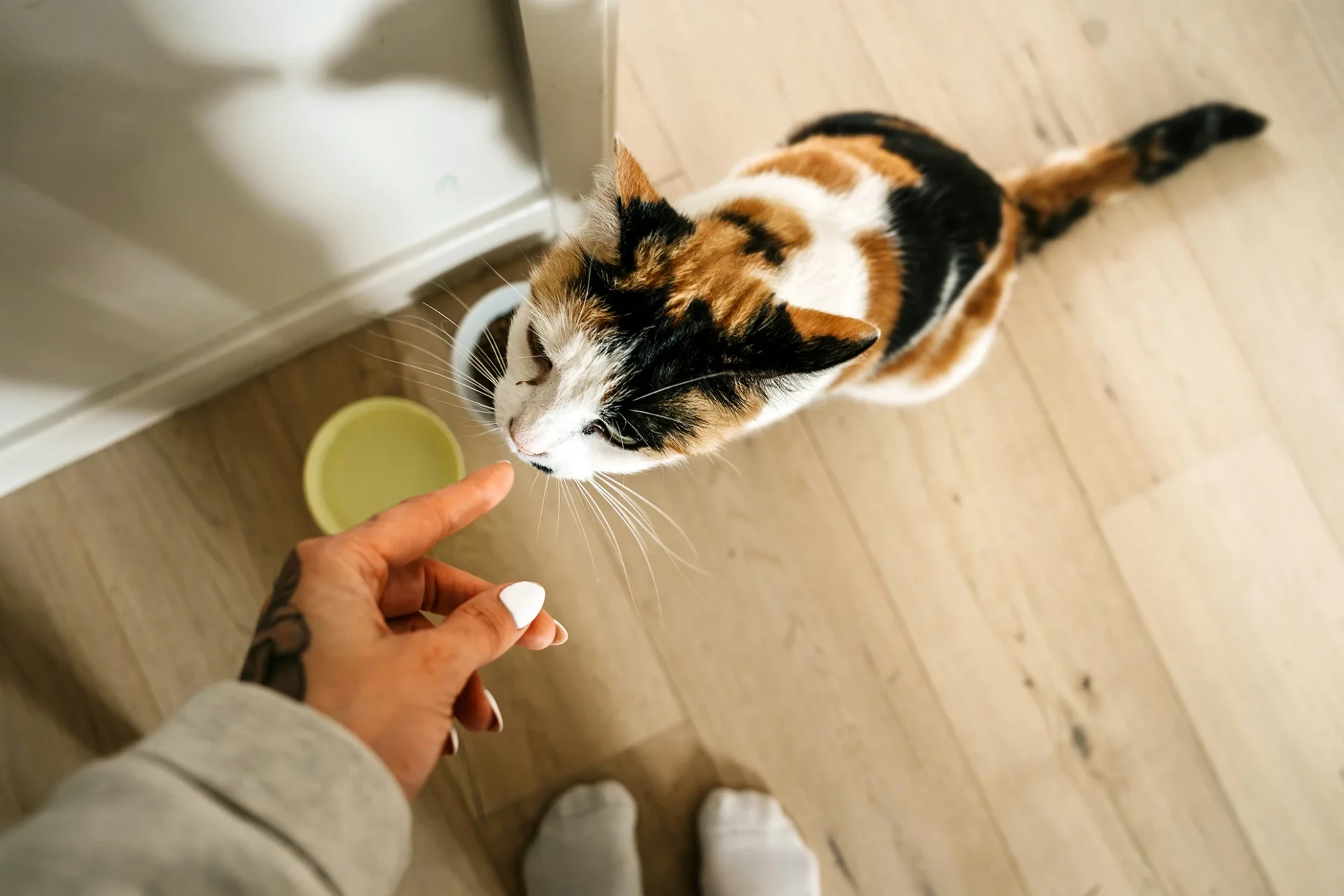
Cat Body Language: 7 Easy Signs to Understand Your Cat

Cat body language is the main way your cat talks to you. Unlike dogs, who often bark or whine, cats share how they feel through posture, tail movements, ears, eyes and small facial expressions. Learning to read these signals helps you respond the right way, lower stress and build a stronger bond. When you understand cat body language, you can spot trouble before it > CONTINUING READING

Positive Reinforcement Training: 6 Proven Steps to a Confident Dog

Positive reinforcement training is one of the most effective and kind ways to teach your dog new behaviors while strengthening the bond between you. Unlike punishment-based methods, positive reinforcement focuses on rewarding desired behaviors, which encourages repetition and builds confidence. This approach not only improves obedience but also fosters trust, reduces stress, and enhances emotional wellbeing. Training is most successful when it is consistent, > CONTINUING READING

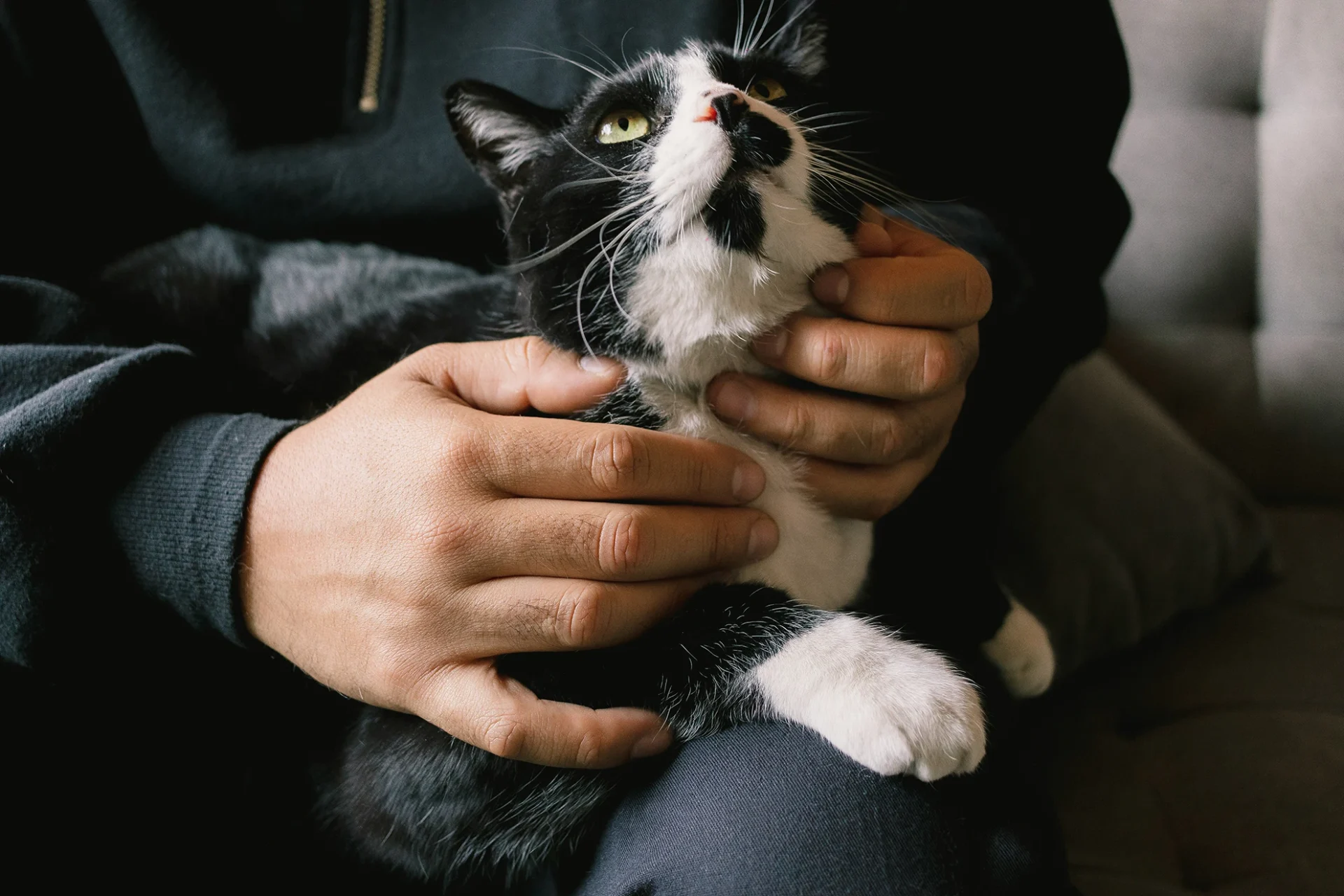
Cat Behavior: 6 Clever Secrets of How Your Cat Trains You

Cat behavior is often a quiet lesson plan for their people. Cats are experts at training humans — gracefully, subtly, and with undeniable success. They have perfected the art of influencing our behavior through routine, body language, vocalization, and selective affection. Unlike dogs, who openly seek approval and connection, cats operate with sophisticated social strategies rooted in independence and instinct. Yet despite their mysterious > CONTINUING READING

Sniff Walks for Dogs: 5 Big Benefits of Explore Time

Sniff walks for dogs are one of the simplest ways to make your pup happier. Dogs are natural explorers. Long before they curled up on our couches, their ancestors roamed wide open spaces, sniffing, tracking, and following the subtle clues nature offers. Today, our lives are filled with schedules, routines, and boundaries — all necessary parts of modern living — but these limitations often > CONTINUING READING

Pack Mentality: 5 Powerful Ways Pets Thrive on Social Connection

Pack mentality shapes how pets connect, learn and feel safe. Social interaction is essential for pets’ overall wellbeing, influencing their emotional, cognitive, and physical health. Dogs are naturally pack animals, relying on social structures to communicate, learn boundaries, and feel secure. Cats, though more independent, also benefit from structured social exposure to reduce stress and promote mental engagement. Well-socialized pets are more confident, adaptable, > CONTINUING READING

Pet Routine: 7 Hidden Benefits of a Daily Schedule for Pets and Owners

A steady pet routine is one of the most powerful tools a pet owner can use to support a pet’s emotional and physical well-being. Dogs and cats thrive when they know what to expect in their daily lives. Scheduled meal times, walks, play sessions, and rest periods create stability, reduce anxiety, and strengthen the bond between pet and owner. At Ruffurrals Only, we’ve seen > CONTINUING READING

Go to Top