
A steady pet routine is one of the most powerful tools a pet owner can use to support a pet’s emotional and physical well-being. Dogs and cats thrive when they know what to expect in their daily lives.
Scheduled meal times, walks, play sessions, and rest periods create stability, reduce anxiety, and strengthen the bond between pet and owner. At Ruffurrals Only, we’ve seen how a structured routine can transform pets from anxious or overexcited to calm, confident, and happy.
Why a Pet Routine Matters
Animals are creatures of habit, which is why a pet routine works so well. Dogs, in particular, are highly attuned to their owner’s schedule and energy levels. A predictable routine helps reduce stress behaviors such as excessive barking, chewing, or pacing. Cats, while more independent, also respond positively to regular feeding times and play periods. A structured day signals safety and predictability, which promotes trust and emotional security. Routine also gives pets a sense of purpose and helps them anticipate activities they enjoy, which can boost overall happiness and reduce behavioral issues.
Benefits for Dogs and Cats
A pet routine benefits both pets and their humans. Dogs are calmer when they know walk times and play schedules, which reduces frustration and behavioral issues. Cats are less likely to develop stress-related health problems like hairballs, over-grooming, or hiding when their environment is predictable. For owners, routines provide structure, reducing decision fatigue and helping integrate pet care seamlessly into daily life. A consistent routine also encourages mental stimulation through scheduled training and interactive play, which is especially important for high-energy dogs or curious cats.

Creating a Pet Routine That Works
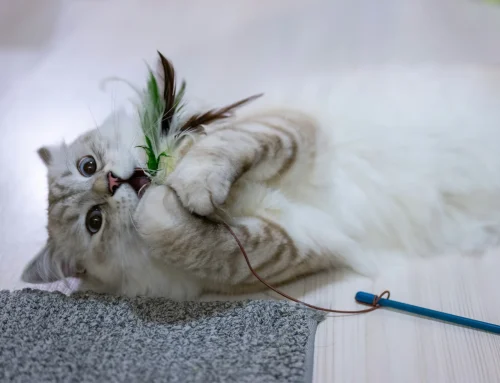
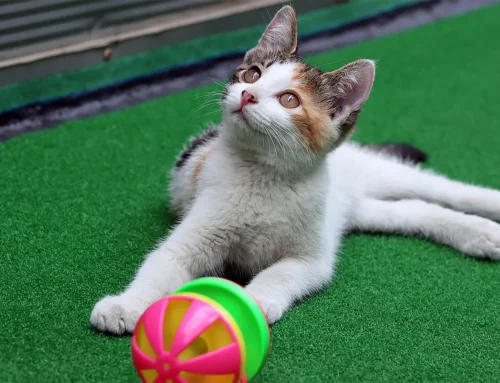
The first step is identifying the natural rhythm of your household. Observe when your pet tends to be most active, hungry, or relaxed. Plan consistent meal times, exercise periods, and play sessions around these natural patterns. Incorporating training and mental stimulation into these windows can keep pets engaged and reduce boredom. For example, a short walk in the morning, a midday interactive toy session, and an evening cuddle or training session can provide a balanced schedule that supports both physical and mental health.
Learn more about stress reduction in pets in our article “The Science of Snuggles: How Pets Boost Your Health and Happiness”.
Flexibility Within Structure
While consistency is key, life isn’t always predictable. The goal is not rigidity but reliability. Pets adapt well when owners maintain the general flow of routine, even if minor changes occur. For example, if a morning walk is delayed, a play session in the afternoon can maintain balance and stimulation. Similarly, if meal times vary slightly, pets can adapt as long as feeding remains consistent in quantity and quality. Maintaining a balance between structure and flexibility is the secret to a happy, stress-free household.

Emotional Benefits for Owners
Having a daily routine with pets also supports human well-being. Caring for a dog or cat encourages physical activity, social interaction, and mindfulness. Owners report feeling calmer, more grounded, and less lonely. Pets, in turn, respond positively to confident and predictable care. The relationship becomes mutually reinforcing: happy pets contribute to happy owners, and vice versa. Daily rituals like morning walks, evening cuddle time, or interactive play sessions not only benefit your pet’s mental health but also enhance your own emotional resilience and reduce stress.
Practical Routine Tips
- Feed pets at the same times each day.
- Schedule walks and exercise consistently.
- Designate regular play and training sessions.
- Create a calm environment for rest and sleep.
- Observe your pet’s cues and adjust routine as needed.
- Introduce enrichment toys or puzzles during downtime to keep their minds active.
- Keep socialization opportunities consistent, such as playdates with other pets or family visits.
For tips on interpreting your pet’s signals, see “How to Read Your Pet’s Body Language Like a Pro”.
Routine as Preventive Care
A structured pet routine also supports health monitoring. Regular feeding, exercise, and play make it easier to notice changes in behavior, appetite, or activity levels, helping catch potential health issues early. Combined with routine vet check-ups, predictable schedules become a cornerstone of preventative pet wellness. Tracking your pet’s daily behaviors and habits allows for timely intervention if anything seems off, which can save time, money, and stress in the long run. The ASPCA’s pet care resources are a helpful, trusted guide.
Keeping Your Pet’s Routine While You’re Away
Travel is when routines break down most, and it’s often when pets struggle. A caregiver who keeps the same feeding times, walks and play sessions in your own home makes all the difference. That’s why Ruffurrals Only offers 24-hour in-home pet sitting across Palm Beach County, following your pet’s routine exactly. For calm-home ideas, see stress-free homes for pets, explore how our in-home pet sitting works, or request access if you’re planning a trip.
The Takeaway
A pet routine isn’t just a convenience; it’s a critical factor in a pet’s emotional and physical health. Dogs and cats both benefit from predictability, mental stimulation, and structured care. For owners, routine provides calm, clarity, and a deeper bond with their pet. By reflecting on your daily habits and intentionally building a routine, you create a foundation for lifelong happiness for both you and your furry companion. A well-established routine encourages mental wellness, reduces stress, and creates a harmonious environment for everyone in the household.