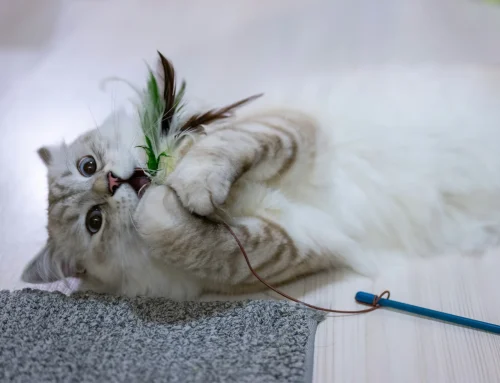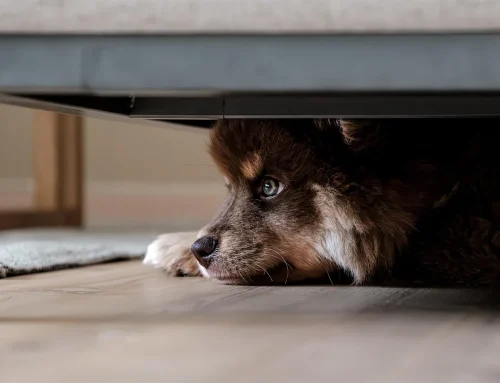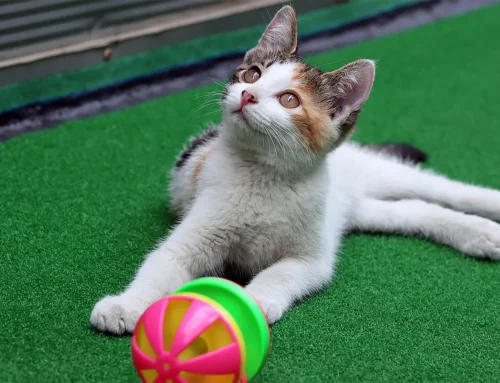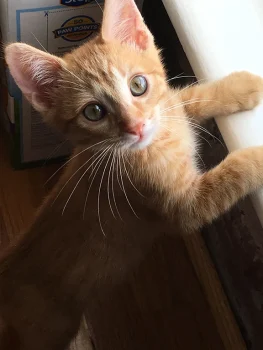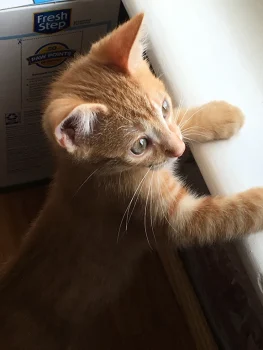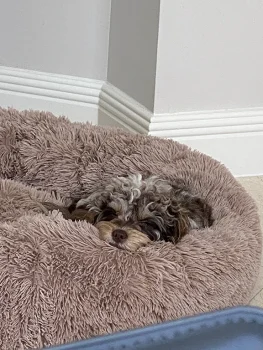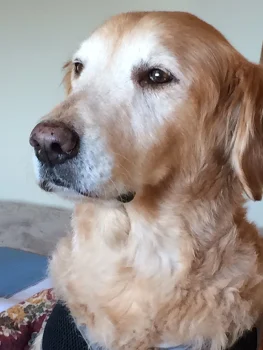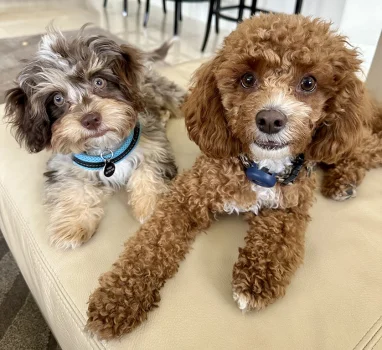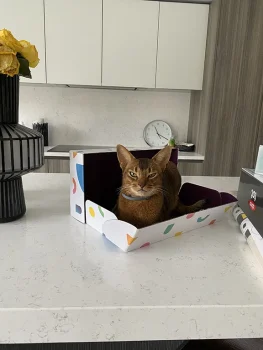

Learning to read pet body language is one of the best things you can do for your dog or cat. Once you know what their tails, ears, eyes and posture are telling you, everyday life gets calmer, safer and more connected for both of you.
Why Pet Body Language Matters
Pets communicate primarily through nonverbal cues. Unlike humans, they cannot explain when they’re stressed, scared, happy, or uncomfortable. Understanding their body language is key to creating a safe, happy environment. Reading these cues allows owners to prevent behavioral issues, respond to needs proactively, and deepen the bond with their pets.
Dogs and cats use different types of body language. Dogs are more overt in their communication, using tails, ears, posture, and vocalizations, while cats often communicate subtly with tail movements, eye behavior, and posture. Observing these cues consistently helps owners recognize emotional states, anticipate needs, and respond appropriately.
Decoding Dogs’ Body Language
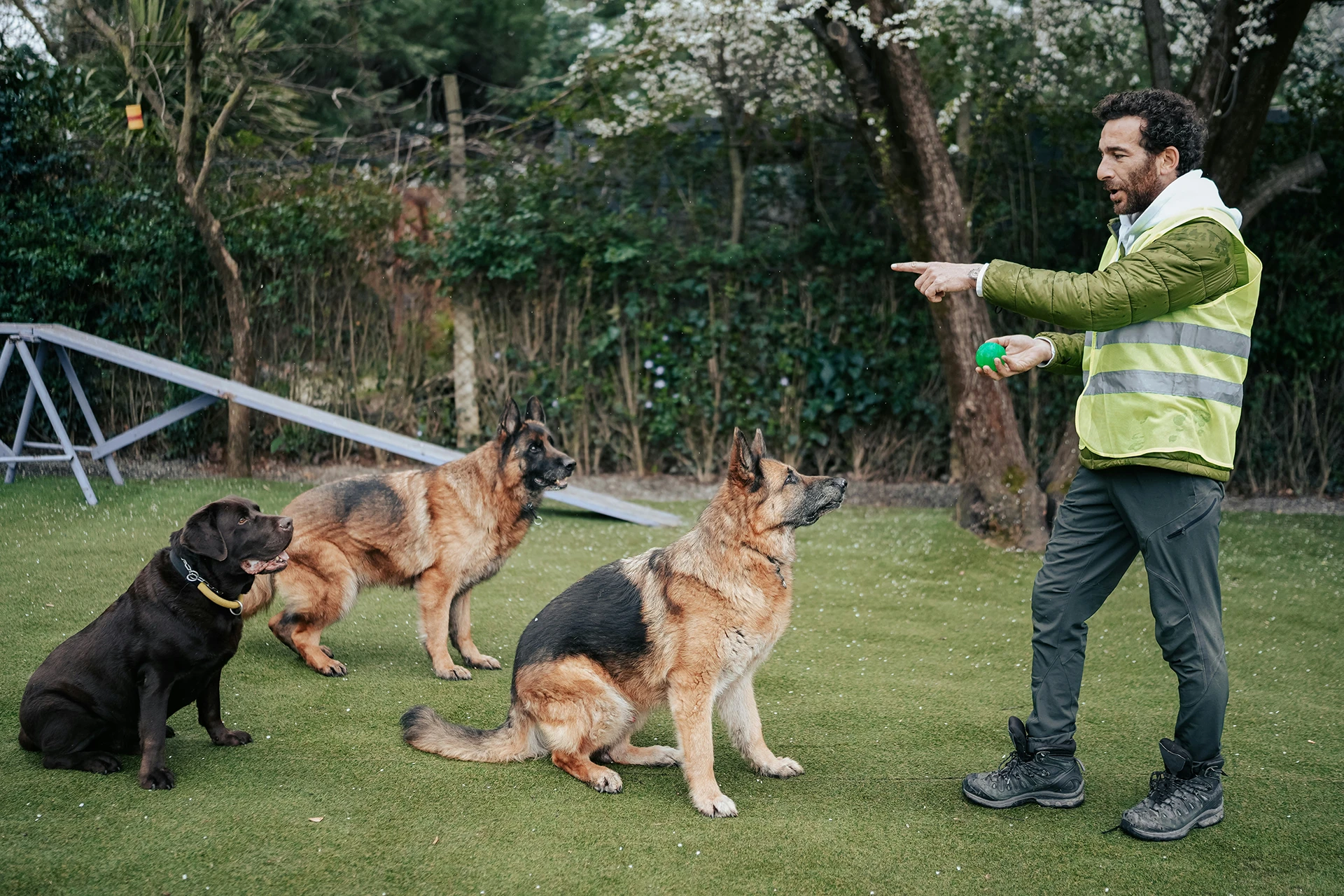
In dogs, pet body language starts with posture. Dogs rely heavily on body posture, tail position, ear placement, and eye contact to communicate. A tail wag does not always mean happiness. A low, slow wag may indicate insecurity, while a high, fast wag often signals excitement. Ears held forward show curiosity or attentiveness; flattened ears can suggest fear or submission.
Eyes are equally expressive: soft, relaxed eyes often indicate comfort, while direct staring may signal tension or potential aggression. Posture matters, too. A loose, relaxed stance shows ease, while stiff, upright posture often indicates alertness or stress. Recognizing these signals helps owners respond with empathy and prevent stress-related behaviors.
Dogs and Emotional Mirroring
Dogs can mirror their owners’ emotions. Stress or anxiety in a person can cause restlessness, whining, or pacing in a dog. Observing these mirrored behaviors allows owners to manage their own stress and provide reassurance to their pet. Training sessions are an excellent opportunity to watch how dogs respond to emotional cues, reinforcing calm and positive behaviors. See our guide to positive reinforcement training for more.
Understanding Cats’ Subtle Signals

Cats communicate more subtly, so feline pet body language takes a closer look. Tail flicks, ear movements, eye dilation, and body posture all reveal their emotional state. A slow tail swish may indicate curiosity, while a flicking tail often signals irritation. Forward-facing ears indicate attentiveness; flattened ears can mean fear or agitation.
Cats’ eyes are particularly telling. Slow blinking is a sign of trust and affection, while dilated pupils may indicate stress or excitement. Arched backs with puffed fur usually signal fear or defensive aggression, while a relaxed body position signals comfort. Vocalizations—purring, meowing, or hissing—complement these visual signals. For a deeper dive, read our full guide to cat body language.
Observing Subtle Patterns
Regular observation is key. Watch your pet during calm moments to establish baseline behavior. Note differences during play, feeding, or interaction with others. Recording patterns over time helps detect stress, illness, or emotional changes early, allowing intervention before problems escalate. The ASPCA’s pet care resources are a helpful, trusted guide.
Tips for Practicing Body Language Reading
- Observe Calmly: Watch your pet in a relaxed environment without distractions.
- Take Notes: Track patterns in posture, tail, ears, and vocalizations.
- Respond Appropriately: Reinforce positive behaviors and redirect stress signals.
- Integrate Training: Use cues from body language to guide learning and strengthen trust.
- Consistency: Regular practice builds understanding and improves your bond.
Benefits of Understanding Body Language
Properly interpreting pet body language improves communication, reduces stress, and enhances safety. Misreading a growl, hiss, or tense posture could result in bites or scratches, whereas recognizing distress allows for proactive care. Pets that feel understood are generally happier, more confident, and more secure. Observing and responding to body language strengthens the human-animal bond and enriches daily life.
By paying attention to pets’ cues, owners create a two-way communication system based on trust, empathy, and attentiveness. Pets constantly provide information about their feelings and needs—listening to them improves the quality of life for both human and animal.
At Ruffurrals Only, our caregivers pay close attention to pet body language, so your dog or cat stays calm and understood during 24-hour in-home pet sitting across Palm Beach County. See how our in-home pet sitting works, or request access if you’re planning a trip.