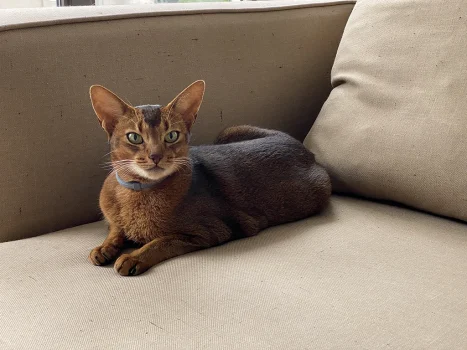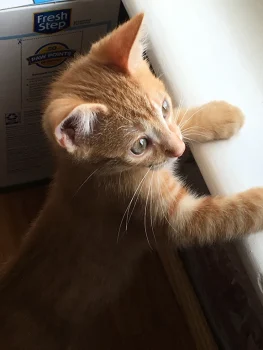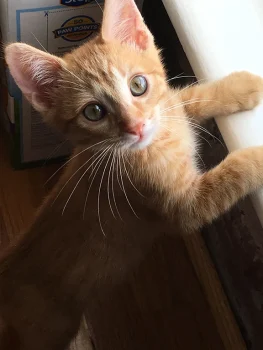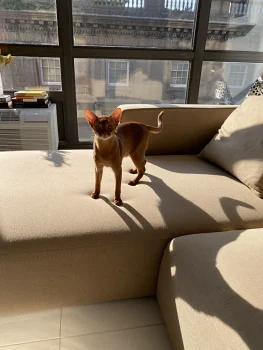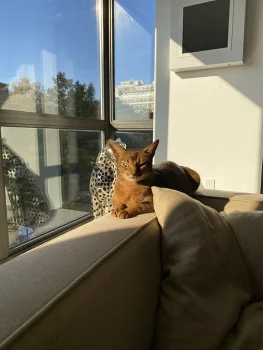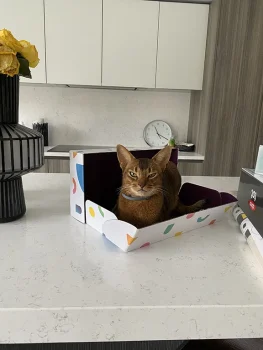

Cat play behavior is one of the most important parts of a cat’s life, serving as both a physical and mental outlet. While many people assume cats play simply for fun, in reality, play is a crucial expression of natural hunting instincts, problem-solving skills, and emotional wellbeing. Cats are predatory by nature, and through play, they mimic behaviors such as stalking, pouncing, chasing, and capturing prey.
Indoor cats, in particular, require structured playtime to replace the exploration, hunting, and exercise they would normally receive in outdoor environments. Without adequate stimulation, cats can develop boredom, stress, anxiety, or behavioral issues such as over-grooming, aggression, or destructive activity. Understanding the role of play and incorporating it consistently into your cat’s routine ensures they remain physically healthy, mentally sharp, and emotionally fulfilled.
Why Cat Play Behavior Matters for Physical Health
Physical exercise is essential for maintaining a cat’s overall health. Active play sessions help strengthen muscles, improve coordination, and maintain healthy body weight. Many indoor cats are prone to obesity due to limited activity, which can lead to joint problems, diabetes, and heart issues. Engaging in regular play encourages cardiovascular activity, stretches muscles, and keeps joints flexible. Even short bursts of activity, multiple times per day, can provide significant health benefits. Additionally, structured play reduces excess energy that might otherwise manifest in unwanted behaviors, helping cats remain calm and content in their environment.
Mental and Cognitive Benefits of Play
Beyond physical activity, healthy cat play behavior is essential for mental stimulation. Cats are intelligent creatures who thrive when faced with challenges that require problem-solving and creativity. Puzzle toys, treat-dispensing toys, and interactive games encourage cognitive engagement, preventing boredom and reducing the likelihood of stress-related behaviors. Mental stimulation during play also strengthens memory, enhances focus, and promotes alertness. Cats who receive daily cognitive challenges demonstrate increased confidence, curiosity, and adaptability, which are especially important for indoor cats who have fewer opportunities for spontaneous exploration.
Understanding Types of Cat Play Behavior
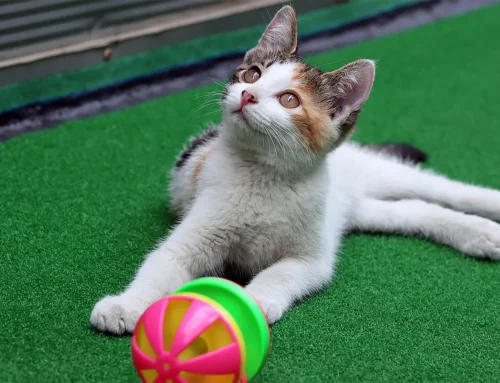
Cat play behavior can generally be categorized into solo, interactive, and object-based play. Solo play involves self-directed engagement, such as chasing balls, batting at toys, or exploring tunnels. Interactive play occurs with humans or other cats, which strengthens social bonds and provides a safe outlet for natural predatory behaviors. Object-based play involves manipulating toys, climbing structures, or engaging with the environment in ways that mimic hunting and exploration. Providing a variety of play opportunities addresses multiple instincts and keeps cats interested and engaged over time.
Choosing Safe and Engaging Toys
Selecting the right toys is critical to ensure safe and effective play. Wand toys, feather teasers, laser pointers, and balls provide opportunities for chasing, pouncing, and stalking. Puzzle feeders and treat-dispensing toys simulate hunting behavior while offering mental stimulation. Toys should be appropriately sized to prevent swallowing hazards and made from non-toxic materials. Rotating toys regularly prevents boredom and maintains interest. Offering novelty in play mimics the unpredictability of real prey and keeps cats mentally sharp. Observing a cat’s preferences allows you to tailor play sessions for maximum engagement and enjoyment.
Timing and Frequency of Play Sessions
Cats are crepuscular, meaning they are most active during dawn and dusk. Aligning play sessions with these peak activity times encourages natural engagement and enthusiasm. Multiple short play sessions, rather than a single long session, are most effective. Cats tend to focus better in bursts, and frequent sessions help maintain physical conditioning and mental alertness. Consistency in playtime also provides routine, which helps reduce stress and builds a sense of security. Even older or less active cats benefit from short, gentle play sessions to keep their minds and bodies stimulated.
Encouraging Mental Stimulation Through Play
Cognitive enrichment is just as important as physical activity. Puzzle toys, treat-based games, and training sessions encourage problem-solving and creativity. Hiding treats or toys in different locations promotes exploration and stimulates natural hunting behavior. Clicker training or teaching tricks provides both mental challenges and human interaction, enhancing the bond while reinforcing positive behaviors. Regular mental stimulation ensures cats remain engaged, reduces boredom, and prevents behavioral issues that can arise from inactivity.
Social Play and Human Interaction
Interactive play strengthens the human-cat relationship. Engaging with your cat using wand toys or gentle wrestling with soft toys reinforces trust and creates positive experiences. Observing your cat’s body language during play, including tail position, ear movement, and posture, helps prevent overstimulation and ensures safe engagement. Consistent social play also helps anxious or shy cats gain confidence and improves overall emotional wellbeing. Rewarding calm behavior during and after play encourages desirable habits and reduces stress.
Managing Overstimulation and Aggression
Cats can become overstimulated during play, which may lead to scratching, biting, or other aggressive behaviors. Recognizing warning signs such as flicking tails, flattened ears, dilated pupils, or tense body posture allows you to pause or redirect play before escalation occurs. Providing clear boundaries and structured sessions helps manage energy and prevents unwanted behaviors. Gradual desensitization to more intense play ensures the cat remains comfortable, confident, and engaged without fear or frustration.
Environmental Enrichment Through Play
Play is an important tool for environmental enrichment. Cat trees, shelves, tunnels, and scratching posts provide opportunities for climbing, exploring, and exercising. Strategically placing toys or treats around the home encourages movement and stimulates curiosity. Rotating enrichment tools regularly keeps the environment dynamic and prevents boredom. Incorporating vertical spaces, hiding spots, and safe observation points encourages natural behaviors, enhances confidence, and contributes to emotional wellbeing.
Keeping Cat Play Behavior on Track While You Travel
Cats rely on routine, and playtime is part of it. When you travel, our in-home pet sitters keep your cat’s play sessions going at dawn and dusk, when cats are most active, so their energy has a healthy outlet and normal cat play behavior doesn’t turn into boredom or stress.
We care for cats in their own homes across Palm Beach County, from Jupiter and Palm Beach Gardens to Wellington and Boca Raton. Learn more about how our in-home pet sitting works, or request access if you’re planning a trip.
For more, read our guides to indoor cat enrichment and cat body language, or visit Ohio State University’s Indoor Pet Initiative for expert tips on keeping cats happy indoors.
The Takeaway
Understanding cat play behavior is essential for maintaining mental, physical, and emotional health. Providing safe, engaging toys, structured and frequent play sessions, and cognitive challenges satisfies natural hunting instincts, prevents boredom, and reduces stress. Observing body language, offering social interaction, and managing overstimulation ensure positive experiences and strengthen bonds between cat and human. Regular play enriches a cat’s environment, keeps them physically active, mentally alert, and emotionally content, creating a happy, healthy, and fulfilling life for your feline companion.