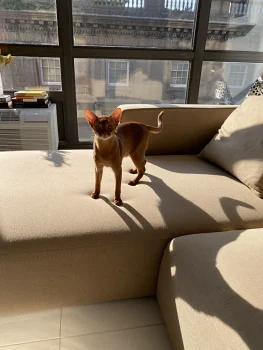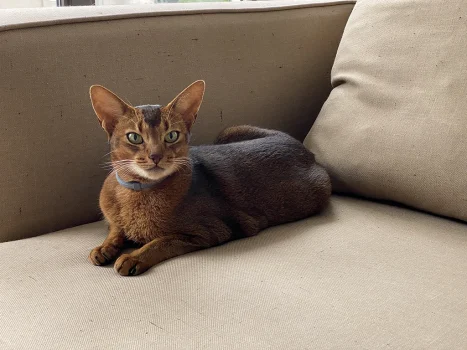

Cat Play Behavior: Why Playtime Matters for a Happy Cat

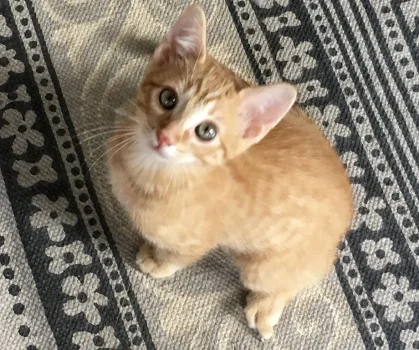
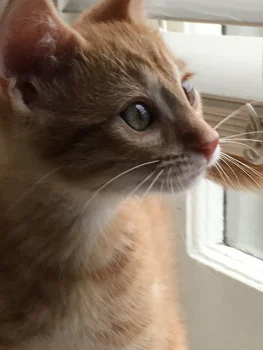
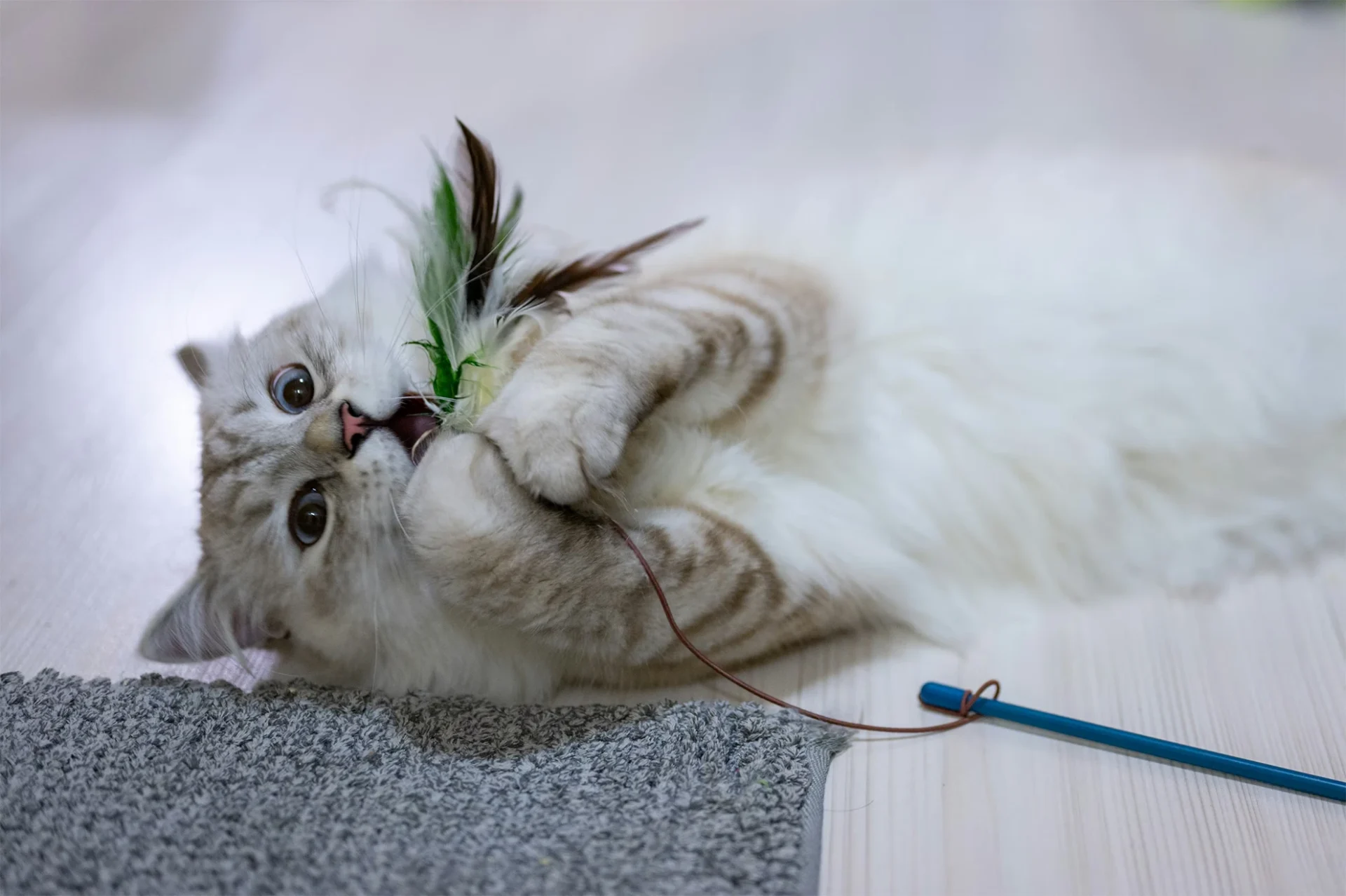
Cat play behavior is one of the most important parts of a cat’s life, serving as both a physical and mental outlet. While many people assume cats play simply for fun, in reality, play is a crucial expression of natural hunting instincts, problem-solving skills, and emotional wellbeing. Cats are predatory by nature, and through play, they mimic behaviors such as stalking, pouncing, chasing, and > CONTINUING READING
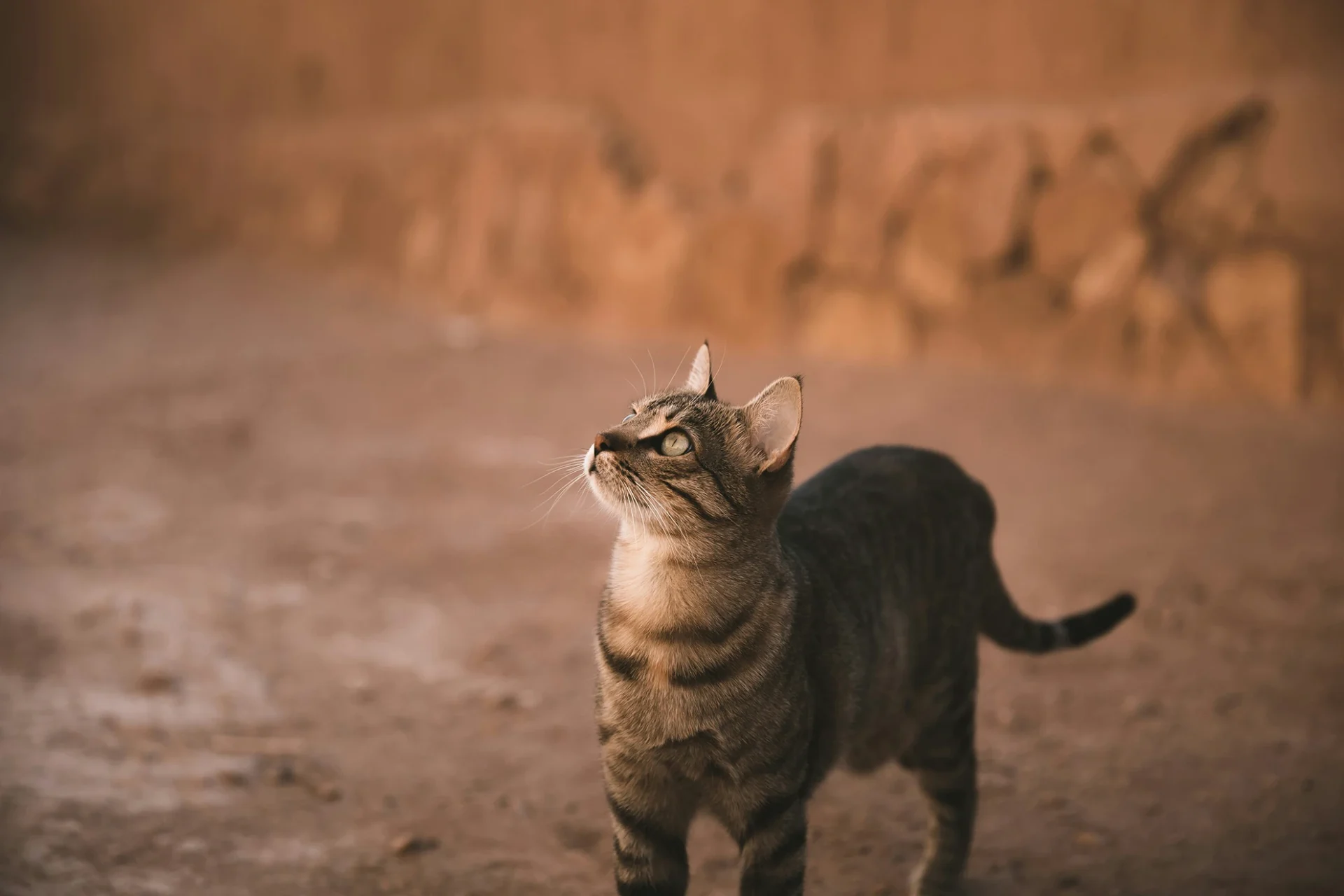
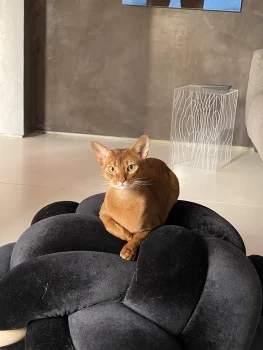
Indoor Cat Enrichment: Easy Ways to Keep Your Cat Happy

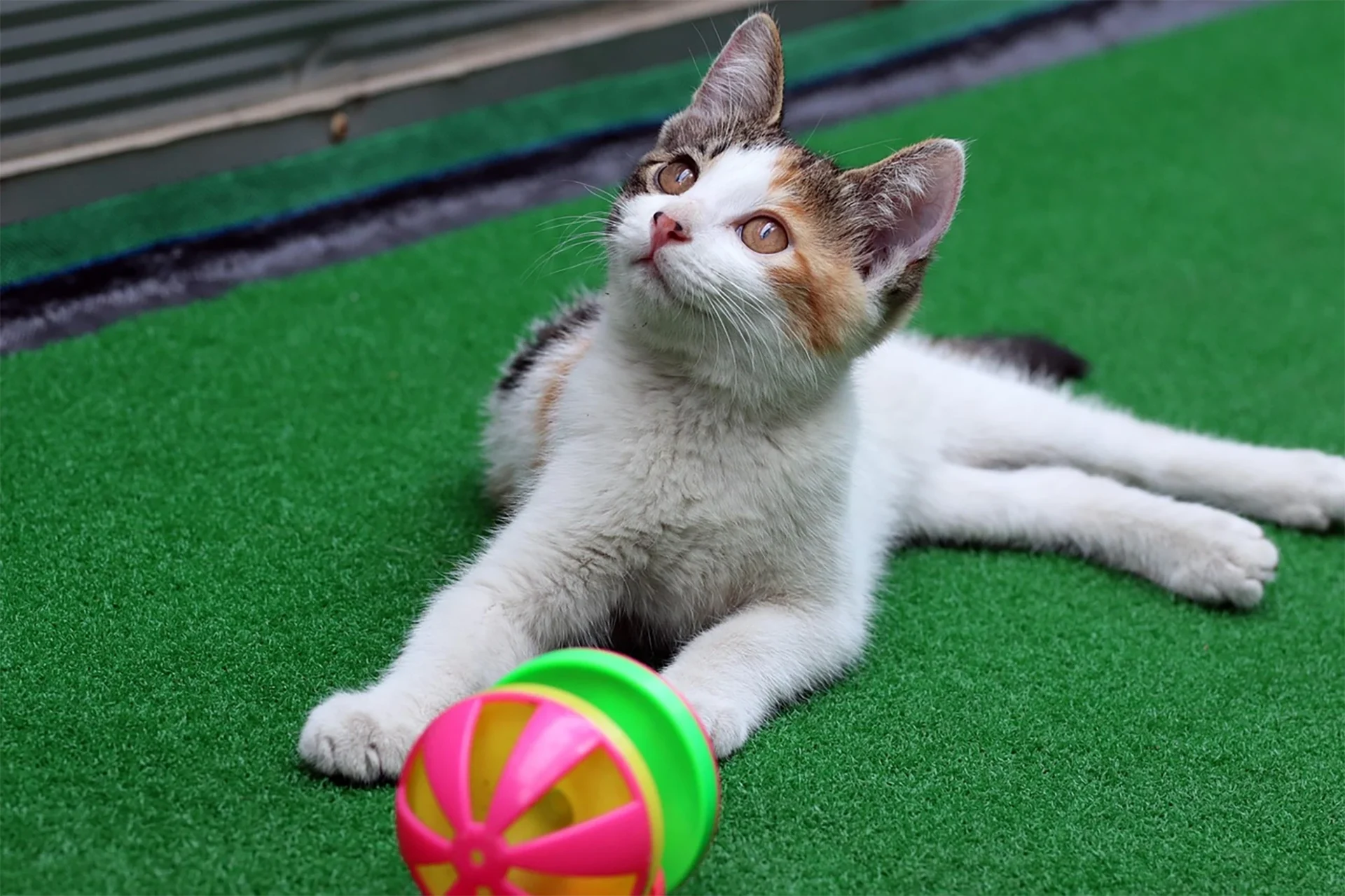
Indoor cat enrichment is the key to a healthy, happy house cat, because indoor cats face unique challenges when it comes to mental and physical wellbeing. While they are safe from outdoor dangers, they often lack the variety and stimulation that outdoor exploration provides. Without proper enrichment, indoor cats may become bored, overweight, or exhibit behavioral issues such as aggression, over-grooming, or destructive scratching. > CONTINUING READING
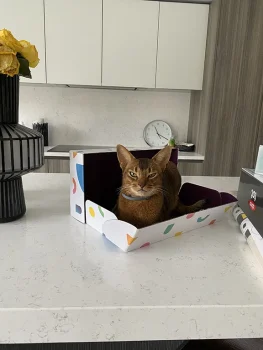
Cat Body Language: 7 Easy Signs to Understand Your Cat

Cat body language is the main way your cat talks to you. Unlike dogs, who often bark or whine, cats share how they feel through posture, tail movements, ears, eyes and small facial expressions. Learning to read these signals helps you respond the right way, lower stress and build a stronger bond. When you understand cat body language, you can spot trouble before it > CONTINUING READING

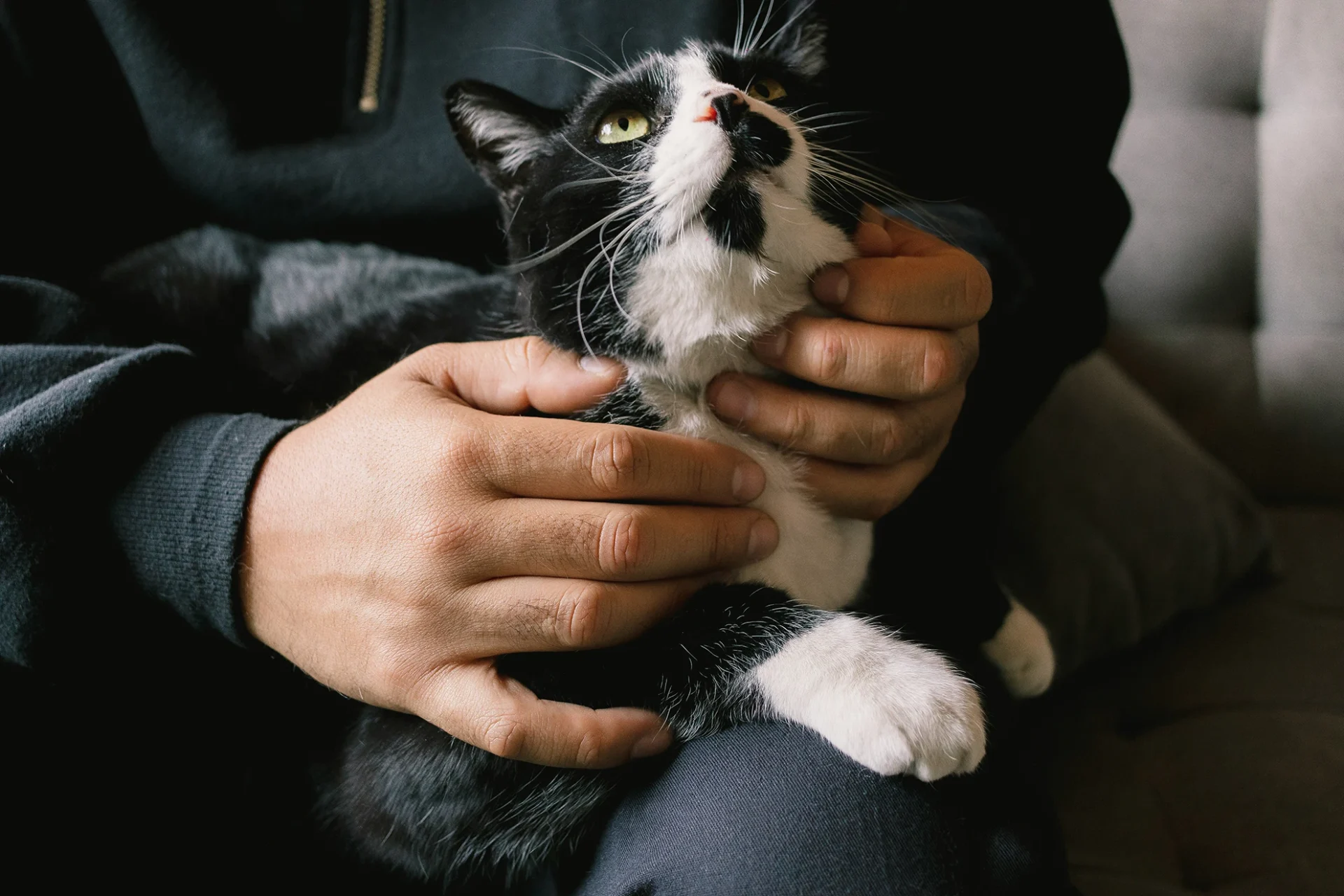
Cat Behavior: 6 Clever Secrets of How Your Cat Trains You

Cat behavior is often a quiet lesson plan for their people. Cats are experts at training humans — gracefully, subtly, and with undeniable success. They have perfected the art of influencing our behavior through routine, body language, vocalization, and selective affection. Unlike dogs, who openly seek approval and connection, cats operate with sophisticated social strategies rooted in independence and instinct. Yet despite their mysterious > CONTINUING READING

Go to Top