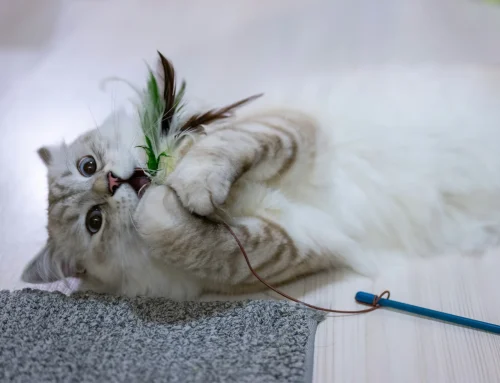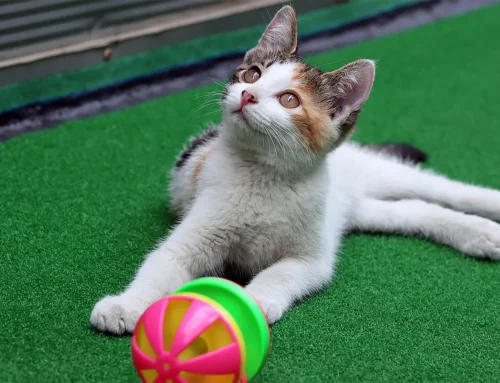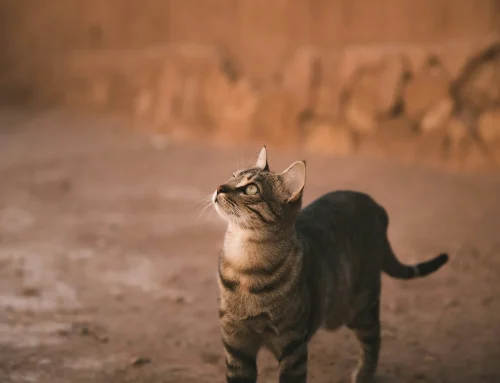
Cat behavior is often a quiet lesson plan for their people. Cats are experts at training humans — gracefully, subtly, and with undeniable success. They have perfected the art of influencing our behavior through routine, body language, vocalization, and selective affection. Unlike dogs, who openly seek approval and connection, cats operate with sophisticated social strategies rooted in independence and instinct. Yet despite their mysterious nature, cats are highly effective in shaping the habits, routines, and emotional patterns of the people who love them.
Understanding how your cat trains you helps deepen your bond and ensures healthier, happier coexistence. Many of the communication principles mirror what we explore in How to Read Your Pet’s Body Language Like a Pro and our guide to cat body language, making it easier to decode your feline’s subtle messages.
Cat Behavior Is Built on Precise Communication
Cat behavior relies heavily on body language to express needs and preferences. A tail flick may signal irritation, slow blinking expresses affection, and direct eye contact followed by a head turn is a clear request to follow them. Humans quickly learn these cues because cats are exceptionally consistent. When a cat uses a behavior that produces a desired human response — such as meowing at 5 a.m. for breakfast — the cat repeats it, reinforcing the habit. Before long, the human is fully trained.
The Power of Routine in Feline Training
Cat behavior thrives on predictability. They expect meals, playtime, affection, and rest at consistent intervals. This reliance on structure influences human behavior and daily rhythm. As explained in Paws and Reflect: The Hidden Benefits of Routine, routine strengthens emotional stability — and cats take full advantage of that fact. When a human breaks routine, a cat may vocalize, follow them around, or sit in places they shouldn’t be as a way of signaling displeasure. Cats use routine to set expectations, and humans often comply.
Selective Affection as a Training Tool
Cat behavior includes showing affection strategically. A gentle head bump or slow blink can melt any heart, and they know it. They use selective affection to reinforce behavior — rewarding the human when they comply with their desires. Sitting near the food bowl? A rub on the leg encourages feeding. Settling into bed? A purr near your pillow encourages stillness and warmth. Humans respond emotionally and physically to these cues, adjusting behavior to maintain the affection they cherish.
Vocalizations and Human Response Patterns
Cats meow mainly for humans — not for other cats. They develop a language tailored to their household, using tones that signal urgency, demand, affection, or curiosity. Humans quickly learn the difference between a “feed me” meow, a “play with me” chirp, and a “let me in” request. The more consistently humans respond, the stronger the communication becomes. This mutual reinforcement shapes long-term behavioral patterns in both species.
Territory and Space Management
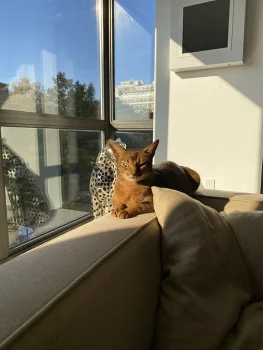
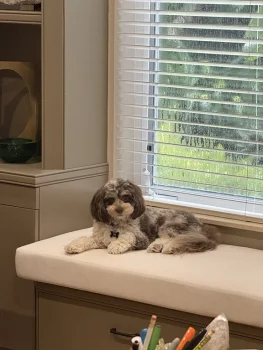
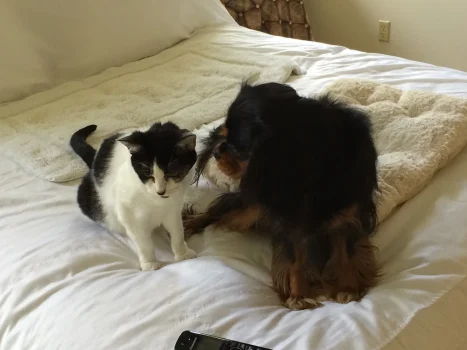
Cats train humans to respect boundaries. If a cat claims a surface, corner, window perch, or favorite blanket, humans instinctively avoid disturbing it. Cats use territory to establish household flow — guiding humans in subtle ways. For multi-pet homes, structured interactions like those outlined in Pack Mentality: How Pets Thrive on Social Connection help manage shared spaces, but cats still often dictate who sits where and when.
Training Through Absence
Cats train humans not only by being present but also through strategic withdrawal. Ignoring a person after a perceived slight or schedule disruption sends a strong message. The human adjusts — offering treats, changing routines, or spending more time in the cat’s preferred room. Withdrawal is one of the most powerful feline training techniques because humans feel emotionally motivated to repair the bond.
Health and Emotional Benefits for Humans
While cats train their humans, the relationship benefits both species. As detailed in The Science of Snuggles, affectionate interactions lower human stress levels, reduce blood pressure, and increase oxytocin — the bonding hormone. Cats create emotional patterns that improve human wellbeing while ensuring their own comfort and security. For more on what drives feline habits, the ASPCA’s cat care resources are a helpful, trusted guide.
When Your Cat’s “Trainer” Goes on Vacation
Because cats rely so heavily on routine, a trip can throw off the whole household system. Most cats are far happier staying in their own territory, with meals, play and quiet time on the schedule they’ve set. That’s why Ruffurrals Only offers 24-hour in-home pet sitting across Palm Beach County, following your cat’s routine to the minute. See how our in-home pet sitting works, or request access if you’re planning a trip.
The Takeaway
Cat behavior makes cats natural trainers. Through body language, routine, selective affection, vocal cues, territorial behavior, and strategic withdrawal, they shape human habits with remarkable success. Understanding these training methods fosters better communication, reduces frustration, and deepens your connection. Cats may be mysterious, but their influence is undeniable — and embracing their unique brand of leadership makes life richer for both species.