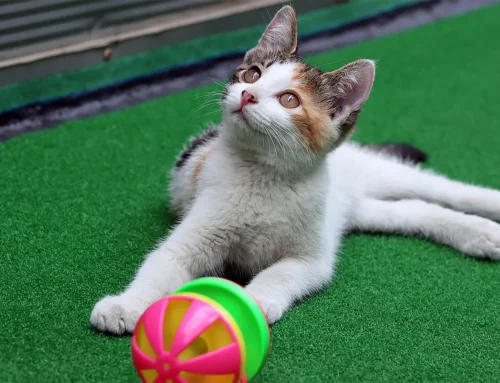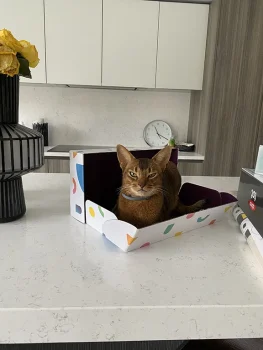

Pack mentality shapes how pets connect, learn and feel safe. Social interaction is essential for pets’ overall wellbeing, influencing their emotional, cognitive, and physical health. Dogs are naturally pack animals, relying on social structures to communicate, learn boundaries, and feel secure.
Cats, though more independent, also benefit from structured social exposure to reduce stress and promote mental engagement. Well-socialized pets are more confident, adaptable, and emotionally stable, and they develop stronger bonds with their human families.
At Ruffurrals Only, we emphasize structured, positive social experiences to ensure pets receive both mental stimulation and physical exercise while building trust. Engaging pets in controlled interactions teaches them healthy social behavior, reduces anxiety, and encourages lifelong emotional resilience. As explored in Paws and Reflect: The Hidden Benefits of Routine for Pets and Owners, consistency and predictability are key components of successful socialization, helping pets feel secure and comfortable in a variety of environments.
Understanding Pack Mentality and Social Needs
Dogs rely on pack mentality and pack dynamics for stability and communication. Regular interaction with humans and other dogs enhances confidence, teaches impulse control, and strengthens social skills. Group walks, supervised play sessions, and obedience classes are excellent ways to encourage positive interactions. Cats, while more solitary by nature, also require mental stimulation and carefully curated social exposure. Controlled introductions to other pets, interactive play sessions, or engaging with their human family members reduce stress and prevent behavioral issues such as withdrawal, over-grooming, or vocalization. Observing body language and respecting each pet’s boundaries ensures socialization is both safe and rewarding.
For more on reading pet behavior, see How to Read Your Pet’s Body Language Like a Pro.
Physical Benefits of Social Interaction
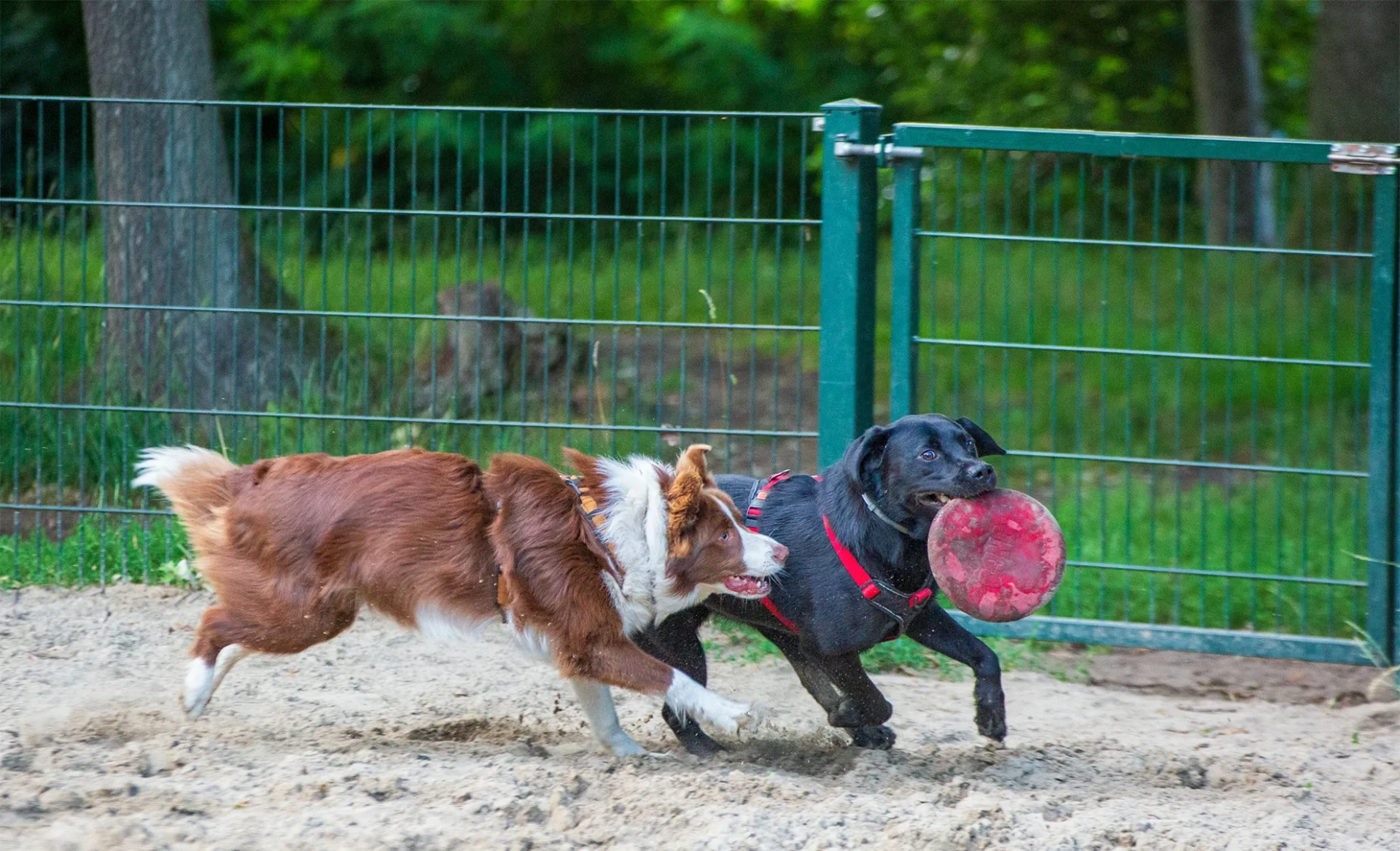
Social play provides vital physical exercise. Dogs that engage in interactive games such as fetch, tug, or agility training improve coordination, stamina, and overall health. Cats benefit from play that mimics natural hunting behavior, such as wand toys, laser pointers, or puzzle feeders. Physical activity not only strengthens muscles and cardiovascular health but also reduces the risk of obesity and related conditions. Well-exercised pets are calmer, less prone to destructive behavior, and more receptive to training and enrichment. Incorporating exercise into social interactions ensures pets receive comprehensive physical and mental stimulation.
Emotional and Cognitive Benefits
Pack mentality and socialization impact emotional regulation and cognitive development. Dogs exposed to varied social situations develop confidence, learn to manage impulses, and cope with new environments more easily. Cats benefit cognitively from interactive play and exposure to new experiences in a controlled manner, which reduces boredom and enhances problem-solving skills. Engaging pets socially also encourages mental alertness, adaptability, and emotional resilience. Pets that experience positive interactions are more secure, less anxious, and better equipped to handle change. Social enrichment combined with cognitive stimulation fosters overall wellbeing.
For emotional bonding and enrichment, see The Science of Snuggles: How Pets Boost Your Health and Happiness.

Safe Socialization Practices
Successful socialization requires structure, observation, and patience. Introduce new animals gradually, ideally in neutral spaces to prevent territorial disputes. Monitor body language for stress indicators such as flattened ears, tucked tails, growling, or hissing. Reinforce calm, positive behaviors with praise or treats to build confidence. Limit interaction duration based on age, temperament, and health, providing escape spaces in multi-pet households. Controlled exposure allows pets to learn appropriate social behavior without fear or stress, fostering long-term confidence and emotional stability.
Socialization Across Life Stages
Socialization is important at all stages of life. Puppies and kittens benefit from early exposure to humans, other animals, and new environments, which shapes behavior, confidence, and adaptability. Adult pets may need gradual reintroduction to social settings following trauma, relocation, or extended isolation. Senior pets typically prefer calmer, predictable social experiences that still provide stimulation without overwhelming them. Tailoring socialization strategies to life stage ensures long-term emotional balance and behavioral health.
Human-Pet Bond Through Socialization
Respecting pack mentality and engaging pets in positive social interactions strengthens the human-animal bond. Shared play, walks, and structured interaction provide opportunities for trust-building and mutual enjoyment. Pets that feel confident and secure in social settings are easier to manage, more willing to engage, and less prone to stress behaviors. Observing and participating in your pet’s social experiences helps owners understand their personality, comfort zones, and emotional needs, resulting in deeper connection and mutual fulfillment.
Learn how consistent routine improves bonding in Paws and Reflect: The Hidden Benefits of Routine for Pets and Owners.
Addressing Socialization Challenges
Some pets exhibit fear, aggression, or withdrawal during socialization. Address these behaviors with patience, gradual exposure, and positive reinforcement. Avoid forcing interactions; allow pets to progress at their own pace. Understanding triggers and monitoring responses prevents setbacks and builds confidence. In cases of persistent anxiety or challenging behavior, consulting a veterinarian or certified animal behaviorist ensures safe, effective support. For dog-specific tips, see our guide to dog socialization, and the ASPCA’s pet care resources are a helpful, trusted guide.
The Takeaway
Understanding pack mentality and socialization is essential for emotionally, mentally, and physically healthy pets. Structured, positive social experiences strengthen bonds, reduce anxiety, and foster confident, adaptable animals. Dogs and cats thrive when interactions are tailored to their personality, temperament, and life stage. Safe socialization promotes emotional stability, cognitive growth, and physical fitness while deepening the human-pet connection. At Ruffurrals Only, we prioritize thoughtful socialization practices to ensure every pet is happy, balanced, and fully engaged with their family. Our 24-hour in-home pet sitting across Palm Beach County gives pets companionship around the clock while you’re away. See how our in-home pet sitting works, or request access if you’re planning a trip.