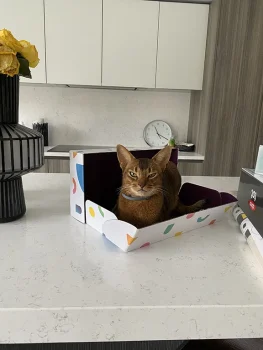

Pets sense emotions in remarkable ways. They have an extraordinary ability to read human feelings, a skill that often amazes and comforts their owners. Whether it’s a dog who rests its head on your lap when you’re sad or a cat that appears unusually affectionate when you’re stressed, animals can pick up on subtle cues humans often miss. Understanding this ability not only strengthens your bond but also helps ensure the well-being of both you and your pet.
How Pets Sense Emotions: The Science
The way pets detect emotions is both scientific and instinctual. Dogs and cats are highly observant; they notice changes in body language, facial expressions, and tone of voice. Studies show that dogs can detect fear, anxiety, sadness, and even happiness by reading human facial micro-expressions. Similarly, cats, though more subtle, respond to changes in posture, scent, and vocal tone.
Pets also respond to physiological changes in their owners. Elevated heart rate, shallow breathing, or changes in pheromones can alert pets to emotional shifts. Dogs, for example, can detect hormonal changes associated with stress or illness, allowing them to act in comforting or alerting ways. This sensitivity makes pets incredible companions for emotional support and therapy purposes. For more on the human-animal bond, the American Veterinary Medical Association is a trusted resource.
4 Signs Your Pet Senses Your Emotions

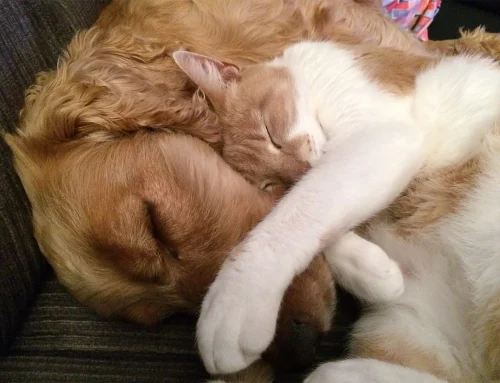
- Increased Affection: Your dog may nuzzle, paw, or lean on you more often when you are upset. Cats may curl up on your lap or follow you around the house.
- Protective Behavior: Some dogs become watchful or alert when sensing fear or distress, positioning themselves nearby to offer comfort.
- Playfulness: Certain pets respond to stress with playful behaviors, distracting owners and alleviating tension.
- Vocalizations: Whining, purring, or chirping can indicate that a pet is attempting to engage or comfort their human companion.
Recognizing these cues helps you respond appropriately, strengthening trust and emotional connection.
Why Emotional Awareness Matters
Understanding that pets sense emotions benefits both owner and animal. If a pet is trying to provide comfort, acknowledging their presence reassures them and strengthens your bond. Conversely, ignoring or punishing sensitive behaviors can create stress and confusion for your pet. Emotional awareness ensures that interactions remain positive and supportive.
Pets can also serve as emotional mirrors. Dogs, for instance, often mirror human anxiety, restlessness, or calmness. Observing your pet’s responses can provide insight into your own emotional state, encouraging mindfulness and self-care. This two-way communication enriches the relationship and promotes a harmonious household.
How to Support Your Pet During Emotional Sensitivity

- Positive Interaction: Respond with gentle petting, soothing words, or calm presence to reassure your pet.
- Observe Boundaries: Some pets may become overwhelmed if emotions are intense; allow them space if needed.
- Routine and Structure: Maintaining feeding, play, and exercise schedules helps pets feel secure during emotional fluctuations. Learn more about the benefits of a pet routine.
- Interactive Engagement: Games, walks, or training sessions provide distraction and comfort to both you and your pet.
- Professional Support: Emotional support animals or therapy pets can be trained to respond effectively to specific human emotional needs.
Benefits of Recognizing Your Pet’s Emotional Sensitivity
Acknowledging your pet’s ability to sense emotions improves communication, reduces stress, and enhances well-being for both parties. It allows you to respond with empathy and understanding, strengthening trust and deepening your connection. Emotional sensitivity in pets encourages owners to be more aware of their own emotional state, promoting a mindful and balanced lifestyle.
Understanding and respecting your pet’s sensitivity ensures a happier, healthier relationship. Whether it’s a comforting presence during a tough day or shared joy during happy moments, pets offer unparalleled companionship through their awareness of human emotions. Recognizing and responding to these emotional cues can transform your relationship, turning everyday interactions into meaningful experiences.
Emotional Care When You’re Away
Because pets sense emotions so closely, time apart can be hard on them. A calm, attentive caregiver in your own home helps them feel secure until you return. Ruffurrals Only offers 24-hour in-home pet sitting across Palm Beach County, with sitters who notice and respond to your pet’s emotional cues. Read about separation anxiety in dogs, see how our in-home pet sitting works, or request access if you’re planning a trip.