
Senior pet care starts with one simple truth: our pets age faster than we do, and as they enter their golden years, their needs change. Just like humans, senior dogs and cats benefit from adjustments in diet, exercise, mental stimulation, and healthcare. With attentive care, older pets can remain happy, active, and healthy well into their later years.
At Ruffurrals Only, we specialize in ensuring senior pets receive the comfort, care, and attention they deserve, whether their owners are home or away.
Understanding the Signs of Aging
As pets age, physical and behavioral changes occur gradually. Good senior pet care starts with spotting the signs.
Common signs include decreased mobility, weight fluctuations, graying fur, reduced energy, changes in appetite, dental issues, and altered sleep patterns. Behavioral changes may include increased anxiety, restlessness, or more frequent vocalizations. Understanding these signs helps owners identify potential health concerns early and adapt care routines appropriately. Regular observation is key to ensuring senior pets maintain quality of life.
Nutrition in Senior Pet Care
Nutrition is crucial in supporting aging pets. Older dogs and cats may require fewer calories to prevent weight gain or special diets to support joint health, kidney function, or digestion. High-quality proteins, omega-3 fatty acids, antioxidants, and fiber-rich foods can help maintain muscle mass, reduce inflammation, and support cognitive function. Monitor your pet’s weight regularly and consult your veterinarian before making any dietary changes. Providing smaller, more frequent meals may be easier for pets with decreased appetite or dental issues.
Learn more about healthy feeding routines in “Paws and Reflect: The Hidden Benefits of Routine for Pets and Owners”.
Exercise and Mobility
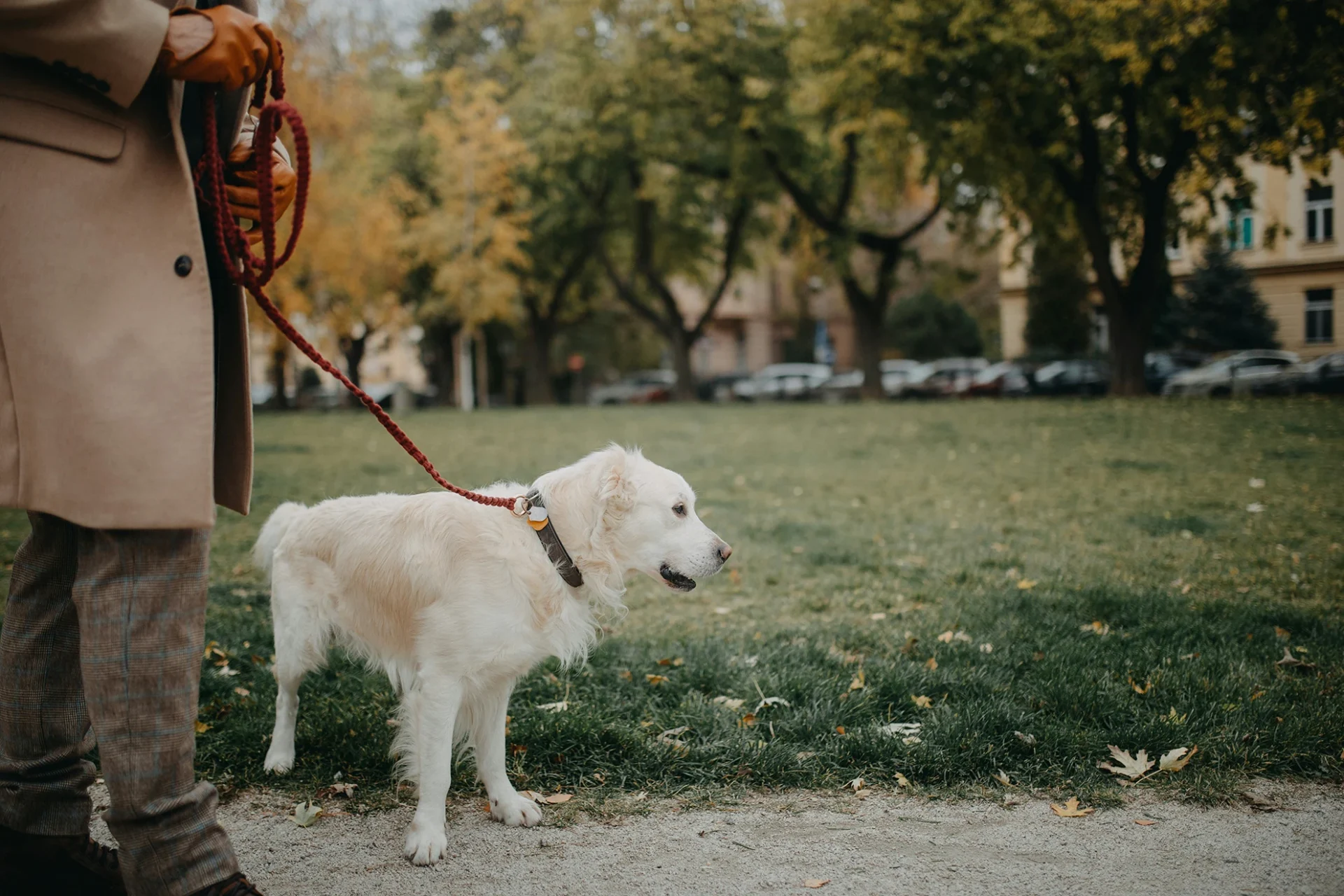
Good senior pet care includes regular exercise, but routines may need modification. Shorter, more frequent walks or gentle play sessions can help prevent stiffness, promote joint health, and maintain cardiovascular function. Low-impact activities, such as swimming for dogs, provide excellent exercise without stressing aging joints. For cats, interactive toys and short play sessions encourage movement and mental stimulation. Ensure surfaces are safe and non-slip to reduce the risk of injury for pets with decreased mobility.
Supporting Joint Health
Senior pets often develop arthritis or other joint issues. Supplements like glucosamine, chondroitin, and omega-3 fatty acids can support joint function, but always consult a veterinarian before adding supplements. Massage, gentle stretching, and orthopedic beds can also improve comfort and reduce stiffness. Regular check-ins with your vet allow for early detection and management of arthritis, hip dysplasia, or other musculoskeletal issues.
Mental Stimulation and Emotional Wellbeing
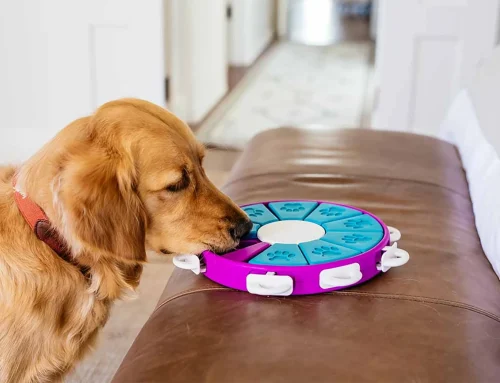
In senior pet care, mental health is just as important as physical health. Cognitive decline can occur in older dogs and cats, leading to confusion, anxiety, or disorientation. Puzzle toys, scent games, training exercises, and social interaction can help maintain cognitive function. Maintaining a consistent routine reduces stress and provides a sense of security. Senior pets also benefit from calm, quiet environments and reassurance from their owners.
For cognitive enrichment tips, see “The Science of Snuggles: How Pets Boost Your Health and Happiness”.
Regular Health Check-Ups
Frequent veterinary visits are critical to senior pet care. Annual or semi-annual check-ups can detect early signs of disease, dental issues, kidney or liver problems, heart conditions, and sensory changes. Blood work, urinalysis, and dental exams are especially important as pets age. Early detection allows for timely interventions, improving quality of life and longevity. Maintaining a health record, including medications and any changes in behavior, helps your vet provide personalized care.
Dental Care
Dental health often declines with age. Regular brushing, dental chews, and professional cleanings help prevent pain, infection, and systemic health problems. Poor dental health can lead to difficulty eating, weight loss, and decreased quality of life. Monitor for bad breath, drooling, or reluctance to chew, which may indicate dental issues needing attention. The ASPCA’s pet care resources are a helpful, trusted guide.
Comfort and Safety at Home
Adapting the home environment for senior pets improves safety and comfort. Provide soft bedding, easy access to food and water, ramps or stairs to favorite resting spots, and non-slip surfaces. Keep litter boxes easily accessible for older cats and consider adding extra boxes if mobility is limited. Reducing environmental stressors like loud noises or frequent furniture changes helps senior pets feel secure. Our tips on stress-free homes for pets can help.
Social Interaction and Love
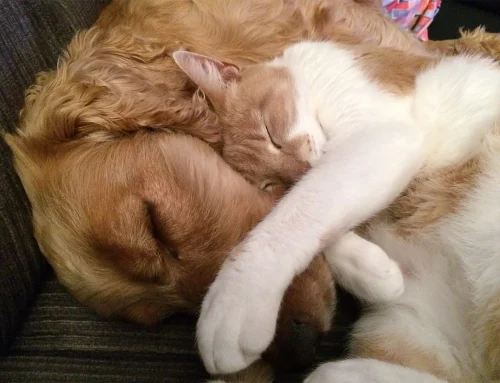
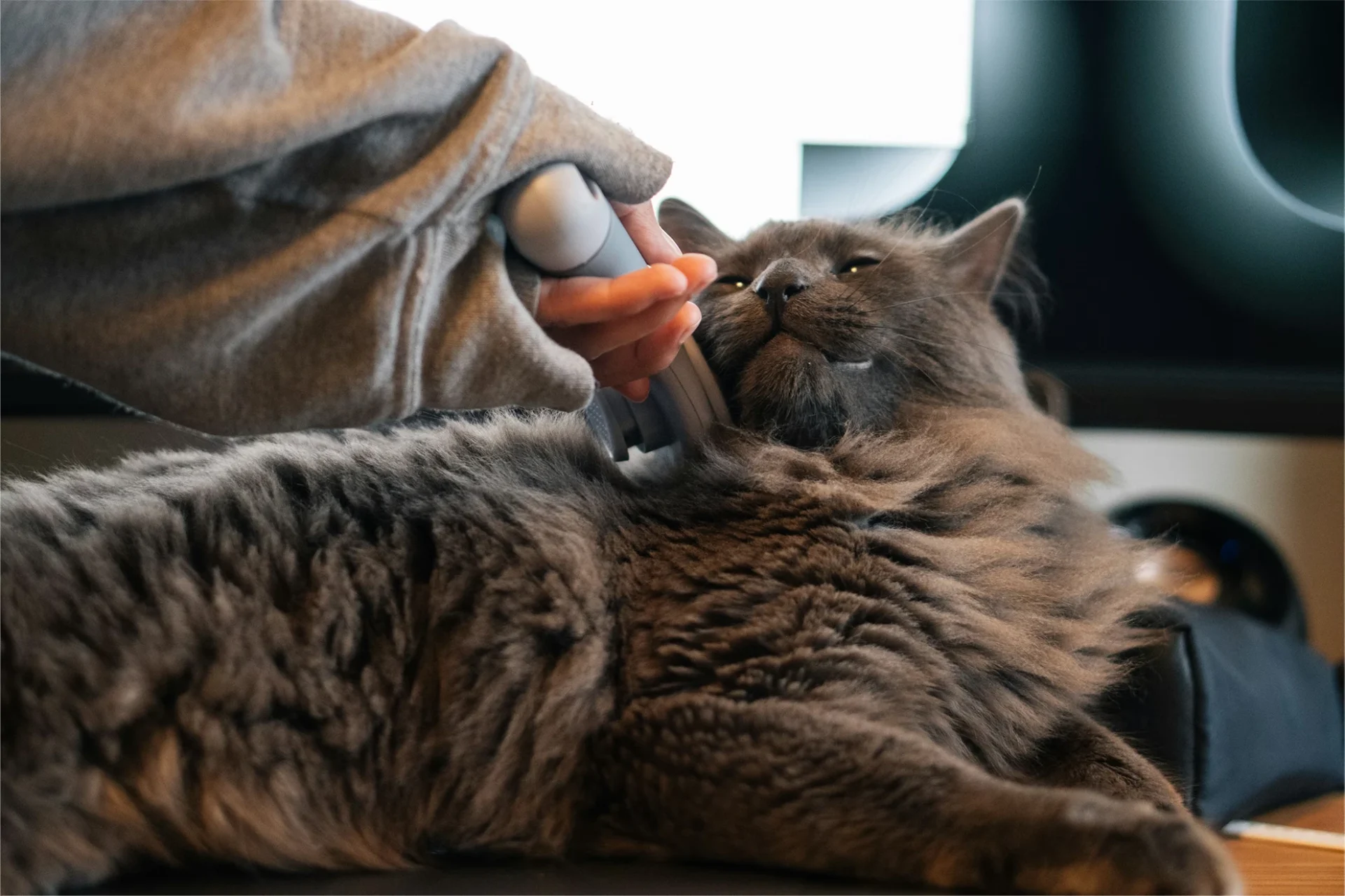
Senior pets still crave companionship and affection. Gentle petting, grooming, and talking to them regularly strengthens emotional bonds and reduces anxiety. Social interaction with family, familiar pets, or trusted caregivers helps maintain emotional well-being. Even short periods of attention can provide comfort and reassurance.
For social and behavioral tips, see “How to Read Your Pet’s Body Language Like a Pro”.
Monitoring Changes and Adjusting Care
Senior pets may need gradual changes to diet, exercise, and daily routines as their needs evolve. Keep a journal of behaviors, appetite, and activity levels to detect changes early. Adjust routines to match energy levels, mobility, and mental alertness. Observing and responding to these changes ensures your senior pet maintains an optimal quality of life.
The Takeaway
Aging is a natural process, but with thoughtful senior pet care, older pets can continue to thrive. Attention to nutrition, exercise, mental stimulation, regular vet check-ups, and a safe, comfortable environment ensures their golden years are filled with health, happiness, and love. At Ruffurrals Only, we celebrate and support senior pets every day, providing care, companionship, and tailored routines that honor their unique needs. Senior pets often do best staying home rather than boarding, which is why we offer 24-hour in-home pet sitting across Palm Beach County. See how our in-home pet sitting works, or request access if you’re planning a trip. With a paw-sitive approach, you can help your aging dog or cat enjoy life to the fullest while strengthening the bond you share.